[00:00:00] Intro: Every number on a balance sheet tells a story, late nights spent building something meaningful. The risks taken, the difficult conversations, the lessons learned along the way. But true wealth is not measured in dollars. It’s woven into the stories that we create, the experiences that shape us, and the memories that outlive us.
Welcome to The Living Beyond The Numbers Podcast with Jude Boudreaux from the Planning Center. This show is not about spreadsheets and financial jargon. It’s about real conversations and powerful stories. That help you align your money with your values, your dreams, and your legacy, because at the end of the day, it’s not about how much you have, it’s about the life you wanna live and the stories you leave behind.
Now onto the show,
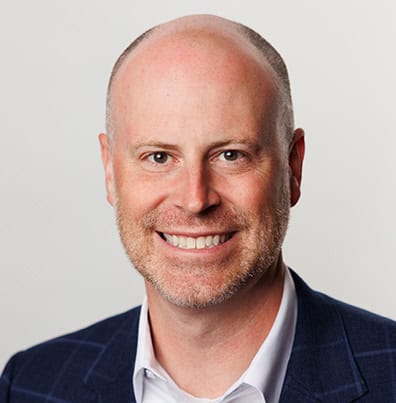
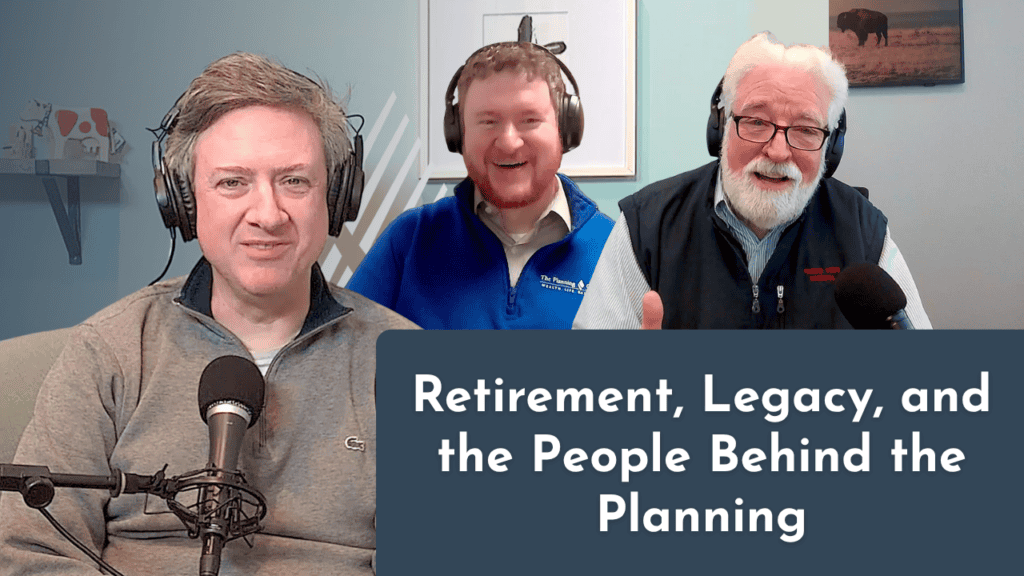
[00:00:52] Jude Boudreaux: welcome. Thanks for joining us for another episode of The Living Beyond the Numbers podcast. I’m your host, Jude Boudreaux. I’m here with our director of positivity, [00:01:00] Kayla, barring Luke. And then we’ve got two special guests with us today. Uh, we’ve got Matt Sieverson, who’s shareholder and senior financial planner in our Moline office.
[00:01:11] Matt Sivertsen: Hello.
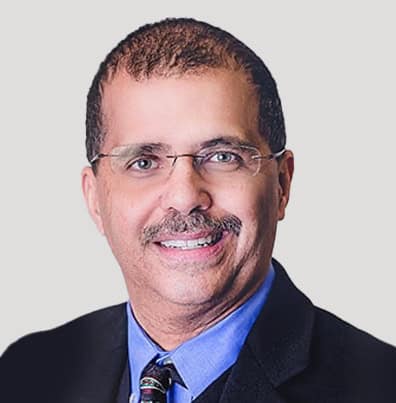
[00:01:12] Jude Boudreaux: Hey Matt. Thanks for coming in. And then, um, we’re kind enough to have, uh, Marty Kurtz join us, uh, today, who’s founder of the Moline office and the name of the planning center. So Marty, welcome.
[00:01:24] Marty Kurtz: Thanks, Jude. Great to be here.
[00:01:26] Jude Boudreaux: Yeah, well, we’re really excited to have the conversation today. So, um. Yeah. So tell us what’s first, just kind of what’s been going on since your retirement.
Uh, you know, you, you, you launched the firm and now you’re retired. So just catch us up a little bit on what you’ve been doing while you’ve had some time.
[00:01:43] Marty Kurtz: Well, thanks Jude. Yeah, it’s, uh, been quite a change. It was a busy 20 some years. I was at the planning center and so retiring at age 70 was, um. A real change in my [00:02:00] life, but, uh, been a fun change.
Been a seeing a different side of life. Although I will say on my T-shirt it says,
[00:02:09] Caleb Arringdale: being 20 in the seventies was much more fun than being 70 in the twenties, which no doubt is true.
[00:02:15] Marty Kurtz: And that’s not a negative statement. It’s just the truth. It’s part of life and living.
[00:02:21] Jude Boudreaux: Oh yeah, absolutely. Well, um, maybe not all the way back to your twenties, but why don’t you take us back a little bit.
You know, you started, uh, you know, probably 40, 50 years ago now, in terms of being a career changer. Uh, CFP Mark was pretty new back then, you know, so what were you doing before, and then what kinda led you into this emerging profession?
[00:02:43] Marty Kurtz: After college. My, uh, I worked with my father for, uh, 10 years in a food distribution business in, uh, Iowa.
And we had kind of a mixed, uh, emotion of experiences, [00:03:00] but, uh, there was a lot of turmoil in the financial markets in the seventies. And, uh. So I was living through that and learning a lot about business that, uh, drove me to the insurance business in the, uh, eighties.
[00:03:19] Jude Boudreaux: Yeah.
[00:03:21] Marty Kurtz: And I worked, worked for an insurance company for, uh, 12 years learning the financial markets and financial business and learning how to work with people.
[00:03:34] Jude Boudreaux: Sure. Well, and I know, I remember a specific story about, uh, in being in the insurance business, uh, like you told me you always had a, a roll of quarters, a phone book, and a flashlight. Uh, maybe it wasn’t all three of those, but, um, but is that, is that accurate?
[00:03:49] Marty Kurtz: Yes, the, those three were mandatory in the car all the time
[00:03:54] Matt Sivertsen: and, uh, coloring books for the children.
’cause I know Andrew and I were coloring under the dining room table when you met with [00:04:00] my parents back in that era. So.
[00:04:02] Marty Kurtz: And I had those, uh, documents for a long time, Matt.
[00:04:07] Matt Sivertsen: Yep.
[00:04:09] Jude Boudreaux: Yeah. So well take us back a little bit. So, uh, worked food service then into, uh, insurance side of our business. And then 1998, you founded the planning center.
So what was that vision?
[00:04:22] Marty Kurtz: There were, um, a lot of things about the insurance business that were very positive. They were trying to start conversation about needs approach of, uh, financial planning and, uh, but, but there were a lot of very undisciplined things that the financial markets were doing at that point in time.
They needed some correction and the computer chip helped do that. I mean, when we, uh, had a roll of quarters, a map and a phone book, those were all [00:05:00] necessities because we had two appointments a day, 7:00 PM and 9:00 PM And the 7:00 PM was usually older folks that were late in their working careers. And uh, the later one was young families that put the kids to bed.
And they came over afterwards. And so instead of, uh, continuing on with that for the next decade or two, we started to make a change that said we’re gonna meet with people in an office, in a business relationship, and, um, try to help them understand what their true needs are in a holistic approach. I mean, not just a sales environment.
Now the insurance industry had a process called Live, die, quit that Live, die, quit was [00:06:00] buy a life insurance policy and it does it all. It’s a Swiss Army knife of financial planning. And that was kind of the arrogance that we went out with that. Uh, we tried to help people understand where their needs were.
And by buying one product, they could change their life and living. And that was basically true, but uh, wasn’t a very satisfying process for people to deal with. So financial planning became something of a discussion in the late seventies out of, uh. Denver, Colorado. There was a group there that focused around life and living and starting a process that started on day one and went through the rest of your life, working with an [00:07:00] advisor to help you see where you need to go, where you need to invest money, where you need to invest time, where you need to institute process over.
Negligence and not dealing with life and living. So that’s where the designation of certified financial planner came from, was trying to put everything together in a process that people could live with for the rest of their life. Not have separate advisors for every little element in their life. I mean, in those days, people would have a tax person, a lawyer, a uh, stockbroker, an insurance agent, four or five advisors, never talking to each other, never working together.
And so financial planner came in and put all those pieces together. [00:08:00] Where people could actually count on getting consistent advice from one source.
[00:08:08] Caleb Arringdale: With that in mind, you got into the financial planning industry. What, what made you think that you could do, do better? That you had an idea that can make this whole process better for people and, and thus want to create the planning center?
[00:08:21] Marty Kurtz: Well, the insurance insurance company I was working with, uh. Which was called Century Companies. You first, it was called Lutheran Mutual, then it was called Century Companies of America. Started an agreement with the credit union movement and started a process called Plan America, and their idea was. How if we help people integrate all their processes together in a financial planning process.
The problem was they still wanted to be an insurance company and it [00:09:00] didn’t mesh, it didn’t work. People, they were, it was a process for selling annuities and life insurance, which were necessary or not politically bad things to have. They didn’t tell the whole story, and there’s bumping up against that frustration of not dealing appropriately with the situation people were in that said, I, I can help build a process that’s better than that.
And I was able to leave the company. I’ve been around for 13 years. I had enough business to start something on my own. And used that knowledge that they had given me over the years to build something what I thought would be stronger and better. Dan Sullivan said that, uh, things need [00:10:00] to have, the computer chip is gonna cut out all the fat in processes.
It’s gonna reduce the number of insurance companies, it’s gonna reduce the number of brokerage companies. It’s gonna reduce the way advice is given. And all those things have come true over the last 20 years, and Planning Center was built around the idea that that was gonna happen. We were going to see a, a unbelievably large change in the way process, information, way we process information.
And so we started doing that. Uh, the beginning of the planning center, which was 1998, and, um, people responded in a very positive [00:11:00] way. They were so happy we didn’t have two appointments a day, 7:00 PM and 9:00 PM They didn’t want to be called on the phone, the cell phone, or, uh. Payphone to double check on the appointment.
They wanted to come in and see a business process in, uh, in place of the randomness of the insurance industry. And so it was pretty cool that people wanted to change the environment that they were in, and they adapted to it very quickly. And I think the planning center started off with modest changes, and every year when Eric Keys and Matt Sieverson came into the business, we were able to ask them, what would you like in the process?
What would make [00:12:00] this a better career for you? And um. If they were young men learning to face their obligations that they needed to do financially and were able to build on that and, uh, change things as we went through time to a more adaptable process of life and living.
[00:12:30] Caleb Arringdale: And that’s cool. And so. The Planning Center started in 1998.
I joined the Planning Center in 2020. Just before, I think, just really just before you, you retired, what’s the biggest surprise to you that you’ve seen in the development of this firm over the last, you know, 25 plus years?
[00:12:52] Marty Kurtz: I think, uh, one of the most amazing things has been with the process that we started and the [00:13:00] documentation we’ve done.
People stay until they die. This is not a short term relationship. It’s a 30 year conversation, 40 year conversation with not only themselves, but with their peers, their friends, their relationships that they have. We’ve had people give birth, graduate from school. Get married, get divorced, process, uh, inheritance of their heirs, their mothers and fathers, and go through all these changes in life that don’t, could never be foreseen.
That first day that they came in and sat down and said, what are we doing here and what is financial planning? [00:14:00] Every definition we tried to put out seems shallow on what the relationship would be like. And I can tell you I have people that since I’ve retired, it’s been five years now, people since I’ve retired, still come up to me and say.
It was the most meaningful relationship in their professional life. Having a personal financial planner, and to be able to say we’ve done that for two generations, three generations, probably even four generations today, has been a total revolution to me. I had no idea that would happen, but it did happen and it’s continuing to happen, and I think is the big draw.
That, uh, is gonna bring people in in the future. The [00:15:00] new generation of Fluent America is coming out and even not to affluent America is coming out saying, we want a better life. We want be prepared for the future. We want to have things that, uh, build on our life and living. Uh, so I, I think that’s been the greatest surprise to me.
People stay until they die and then they pass on the relationship to others.
[00:15:37] Jude Boudreaux: Yeah. It’s as. Of that next generation. It’s been, you know, it’s a privilege to have those relationships that, you know, you, uh, founded in cultivated, and then have, uh, many of us, you know, who are now responsible for those relationships to help continue and help those families through that next phase of whatever’s going on in their life.
Um, so it’s, yeah, it’s one [00:16:00] of the great things about the work that we get to do.
[00:16:03] Marty Kurtz: It’s like a torch is being passed around. We started this little flame in Moline, and uh, I know we’ve passed it on to five other organizations, something like that, that have joined in. Like, Jude, you’re carrying that flame, that torch that says we’re gonna do this for you.
And that’s, that’s been a great thing. And I others have done, joined in around the country too.
[00:16:37] Jude Boudreaux: Yeah, I think it’s a beautiful way to think about, uh, about that, um, how we carry forward these values or ideas or dreams for the, the people that we get to work with. Um. Well, and a a little pivot there. I mean, part of that is getting to work with each other.
And so Matt, uh, wonder if you and Marty might share a little bit about, you know, what that was like when, you know, you [00:17:00] joined, uh, you know, you joined Eric Keys, our current CEO joined around the same time. So yeah, share a little bit more about, you know, what that time was like for you. The two of.
[00:17:10] Matt Sivertsen: Yeah, joined in for myself in 2003 and Eric 2004.
You know, we were kind of right at that year five and six for the planning center, and we definitely could witness, you know, Marty had made the switch from the insurance he had mentioned to bringing in clients, and I think kind of got things stabilized probably. In an investment anchor. And then I feel like what we focus so hard on with Marty was really then developing these lists and as clients came in, you know, let’s get everybody in first step cash management to have a cash flow plan.
Let’s get everybody in the financial planning system. That was Financeware at the time. Before we had money. I had pro, you know, so really kind of. Speak to like the, the planning elements that Marty mentioned. Really just wanted to start getting that in the fold for everybody and, and I think most people embraced it to a high degree, right?
Of moving just from an investment [00:18:00] conversation to a planning and a life and a cash flow and, and a, am I gonna be okay for retirement? Then you start living with people over a long enough time. All those little transitions that Marty mentioned happened, you know, you all of a sudden you’re starting to help, help through all these life decisions and navigating good times and bad times and everything in between.
But, uh, but having that anchor point of, of knowing more than just the investment portfolio and, and knowing what is hitting bank accounts and what’s on their balance sheet, all that stuff really mattered to, to really say we’re, we’re financial planners and, and help people with the work.
[00:18:34] Marty Kurtz: And it was, uh, it was great when Matt came in, when he was in college, uh, maybe even high school, in college and wanted to know about financial planning.
And so we’d sit, he’d meet with, uh, his parents and then I’d meet with Matt alone, or meet with Matt alone. Then I’d meet with his parents. He had to leave the room. We did that for [00:19:00] several years. And then when Matt graduated from college, he showed up at my door one day in my office and said, Hey, how about a job?
And uh, he got the response that my kids got when they asked for money. That was maybe next quarter.
[00:19:22] Matt Sivertsen: Yep. It took three quarters.
[00:19:26] Marty Kurtz: It took three quarters, but uh, those were very tumultuous times too. That was,
[00:19:32] Matt Sivertsen: yeah, there was a.com bust in 2009. 11 attacks were oh one, the one year anniversary of nine 11 into oh two was even worse.
And yeah, so you pushed me for three more quarters and at the bottom of the markets, he still hired me. And then things turned around.
[00:19:48] Marty Kurtz: Well, yeah, I thought it was time to solve the problem.
[00:19:52] Matt Sivertsen: Yep.
[00:19:53] Marty Kurtz: Which, uh, did start to work right away. Matt started to, uh, [00:20:00] work on projects like putting everybody in a notebook.
[00:20:03] Matt Sivertsen: Mm-hmm.
[00:20:05] Marty Kurtz: It was our first, uh, experience of getting away from files and having a notebook where we could concentrate all the data from all these different sources and make sure we had the data from different sources. So that was, um, kind of a first revolution revelation. And then secondly was putting a second person in the room with, uh, clients.
And so for.
All my years of experience, I was able to bring in someone who had no experience and have them firsthand watch what was going on in the room with one set of rules that we did put in place was for at the beginning. Here you will be silent[00:21:00]
and, uh, I just want you to absorb. I, we don’t need input. We need documentation. And so Matt did that. He came in and sat in meetings for a number of years, which led me to the belief that it takes five or six years of stoic study for someone to become a, a really true financial planner, to be what we would call safe.
Safe to gather all the data and use it for the benefit of people. It was like an elephant gun, you know? I mean, it was this big entity that we were playing with that needed respect and trust, which it then led to the conversation of we needed to be, [00:22:00] we didn’t need to develop trust. We needed to be trustworthy.
Which was a huge jump in the con in the conversation of the world and how we live. We don’t worry about being trusted. Don’t worry about being something that people could, uh, say. Well, I trust him. I didn’t care if they trusted me or not. What I wanted to be is trustworthy. It was up to them to make the decision whether they believed it or not, which led to the conversation of trust is a gift.
It’s this precious, beautiful thing, this relationship that should not be damaged. It should be honored and trusted. But not [00:23:00] for the sake of being trusted, for the sake of being the right thing for people to have in, in their life. And so that was a totally different conversation. We.
We, uh, had a lot of people that were saying, trust me, trust me, trust me. We said, I had a meeting of, uh, widowers one time and we had a circle meeting with oh eight or 10 widows that came in and, uh, we were talking about. Our process, the planning center, and the problems with life and the hardships and how to deal with things.
And I know one lady raised her hand, who has uh, been a long time client. [00:24:00] She said, um, Marty, why should I trust you? And I said, well, Karen, there’s no reason to. It’s a gift. You’ve gotta decide whether you wanna give us your trust or not. Our job is to fill that need to be trustworthy. She said that was a good answer and I had many people ask after that if, if they should trust me, and it’s like, well.
That’s up to you to decide. And that mind shift, that tick change changed the total way we operated because [00:25:00] there was no baloney, no, no falsehoods. It was just bare. Ground. This is, this is what we’re about, and that’s what people’s need, need for the future. It’s what the country needs today is trustworthiness, not more trust, more trustworthiness that will build the trust that that’ll build the gift that we can give each other over time.
[00:25:38] Matt Sivertsen: And I was extremely grateful to witness that firsthand, you know, have that. Instilled in me and then to have such a great period of observation on that upfront and, and just really witness that. And I know I was kind of the end of an era that financial planning was a developing thing and so through high school and college I was always trying to figure out what I wanted to do.
And [00:26:00] it wasn’t in all the little tests and exams. And this is a career and, and so definitely jealous of the younger professionals that can. Go through a financial planning college track. Feel like would’ve loved to have done that, but was really fortunate, as Marty said, to to pick his brain a little bit and was always interested in money, was interested in how things worked, was interested in helping people out the right way and not have to sell something.
And, and so really grateful, he showed me a way and then ultimately showed me a profession that also was budding and evolving and, and now, you know, more so that. We’re almost seeing every college and university have a financial planning degree and, and program, which, which is amazing and awesome to see.
But I was just so grateful to kind of stumble and be right place, right time and ask the right questions. And I was asking hard questions for my parents and they’re like, well, come talk to Marty. And, and thankfully he gave me some great articles and things to, to read and, and just kept checking back in.
I wanna know more about what this is. And. So, I know you were just [00:27:00] kind of figuring out what the, the new Planning center was, but, uh, I was kind of figuring out how I wanted to start my life and, and I was attracted to, to what you were doing and had to offer and was excited to help build, build things with you.
[00:27:13] Marty Kurtz: I think it’s real interesting, the name of this podcast is Beyond the Numbers, living Beyond the Numbers. It’s like, well, what does that mean? I mean, you guys named it, it’s very appropriate. What does it mean? It means that this all is not about numbers. Numbers are important, but, and they can tell us a lot of stories, but it’s, this is a relationship that’s beyond that, that needs to be beyond that.
[00:27:51] Matt Sivertsen: My number one fascination about money is there’s not one person on this planet that thinks about it the same way. So I just [00:28:00] always find that amazing, right? Like we can talk about numbers, but what my assessment or what that means is completely different than for anybody else. So just the, having these powerful conversations on money in our lives, and especially for couples, right?
All of a sudden inherently we, we get in relationships with people and, and. They’re not gonna have the same viewpoint on money as well. And so I think it’s even more fascinating the role we play with couples to kind of be that third party advocate and, and facilitator and helper of, of relationship.
Right. It’s a little easier to work with somebody’s one view. It’s a lot harder to work with a couple’s two view.
[00:28:36] Marty Kurtz: That’s right. And bringing in, uh. The generation before them and how it affects their money decisions today. And whether that’s right or wrong, the discussion on how that should work is totally amazing.
And the words like honor and [00:29:00] uh, discovery and.
Trustworthiness, which I’ve said before, are great ways to build a long-term relationship because I wanna reiterate this again, we are talking about a 30 or 40 year relationship longer than most marriages.
It goes beyond the life and living of one person. It goes to two or three people, or four people counting the children and the grandparents, and people that have illness and people that have great health. All those come into the conversation. In a capitalistic world, you know, [00:30:00] we’ve never, nobody’s ever lived like this.
We’ve gotta always have that in our mind. This is a different world than with money and life than people lived with even 30 years ago or 50 years ago. And so when we. Put out that idea that wouldn’t it be cool if people came to the planning center, the same,
same concepts, different ideas on, uh, who they’re working with and what the client’s name is
a totally new revelation. In a capitalistic world and a very necessary element [00:31:00] for capitalism to continue and grow. It’s not going to, uh, it’s not gonna be the same. Things are gonna look a little different. The core element that beyond the numbers is, but it’s gonna have pieces in it that keep it safe.
And that’s safety is a big thing. It was a big conversation we had with our advisory teams. How do we remain safe? How do we have a safe conversation? How do we keep people in safe circumstances?
Those are all pretty key elements to what this financial planning business is about.
[00:31:52] Jude Boudreaux: So maybe share a little bit about what the, what do you feel like that means, Marty? How do you, how do you think we do that work for people? [00:32:00]
[00:32:00] Marty Kurtz: Well, I think it, it begins with, uh, you know, a commitment on both sides of the table that we’re gonna work together and be honest.
And be wholehearted and, uh, we’re gonna meet and talk to each other about what we’re doing. We’re not just gonna blow through a checklist of items. Say we did that, we did the, we did the tax planning and we did the estate planning, and we did the life insurance planning, and we did the, uh, tax planning, and we put all those elements together.
I’ve heard commercials like that, and it’s like we’re not just putting together boxes that we check off that say these are the elements of the financial plan. It’s [00:33:00] moving in and sitting next to each other in an, in an, an environment where we’re saying those all, all those things. We know that, what does it mean?
Where do we go from here? And we have a honest discussion with people about where they wanna go, and life is full of wrinkles. Things don’t just work, you know. At, uh, the planning center meeting I had, I was blessed enough to be able to come this year to the, uh, client appreciation event for the clients in Moline, and several of the clients came up and said,
we’re so grateful for what you did. Our life is good and we’re set for life beyond our wildest imaginations. [00:34:00] How do you feel about that? I said, I feel great about that. That is the highlight of my career. But here’s something you need to understand. You did what we told you to do. I didn’t do anything super spectacular.
Other than tell ’em what to do. That made sense. And they share, they did it. I said, you should see the droves of people that aren’t here. ’cause they didn’t do what we told ’em to do. And that is kind of a profound revelation that. I think I’ve, I heard it on NPR, they were talking about doctors. 29% of, uh, heart doctors say that 29% of their clients [00:35:00] follow what they say to do
the other 31% or whatever it is. Don’t. They don’t follow what the doctors tell ’em to do, and so they have different results. And so our job as financial planners is to not give advice, but to create curiosity. And that’s one of the things that I think. Is there a new revolution to revelation to people? Is they, the ones that are successful, became curious and they became driven by the fact that if they did this, maybe they would have better results.
And so they share their deepest concerns. They share their deepest [00:36:00] relationships with, uh, their family and their, their friends. And that’s, that’s a whole different can of worms.
[00:36:14] Matt Sivertsen: For clients, it’s like showing up with step one, but then how they show up, right? Whether it’s authenticity and vulnerability and what they’re willing to share to help us see and better understand how they’re processing things, feelings, emotions, right?
All of that. Or if people are putting up a lot of walls, right? It’s tough for us to really help, help guide them and help life be better, right? So. So, yeah, showing ups the first step, but then how they show up and the, the deepness of the relationship, you know, definitely matters. And that’s something I’ve been proud to have witnessed with you.
And those relationships carry on. And, and 23 years from now, you’re right. It’s those people that keep showing up and really do the work. They’re the ones that stick around and, and really see the value. ’cause Yeah, like you say, there’s so many droves of other people that, [00:37:00] that aren’t, aren’t even gonna gonna show up.
[00:37:03] Marty Kurtz: That’s right. So in a nutshell, the job of the financial planner at the planning center is to create curiosity.
And because advice, giving advice kills conversation. And if they think they’re getting advice, they’re gonna go home and say, well, Matt said I need to do this, or Jude said I need to do this. That’s, that’s okay. But it’s kind of shallow. It’s, we want ’em to say, I’m gonna do this because that’ll lead me to a different spot.
I’m gonna change my life
in the future, and I’m gonna change my family’s life. I’m gonna change the G two, G 3G [00:38:00] four.
When I started in the business, people had estates of a few hundred thousand dollars and we thought they were successful. And today people that are working hard on their environment and living the, the true life are successful in the millions and so. There’s just lots of things that people can do that take them beyond their belief system into a new, new environment that passes on to the next generation and the next generation after that.
And so that leads to a comment that I think is so true. I’ve said it for years, and that [00:39:00] is everybody needs a third party to talk to about life and money. And by God, if you’re gonna talk to somebody, talk to somebody that knows how to do it. And that’s what the Planning Center is. It’s a place where people are safe, people are.
Schooled. They’re understanding they’re great leaders and they know where to take you in the future.
[00:39:35] Matt Sivertsen: Caleb, uh, asked you earlier like what the greatest surprise was and kind of stemming from this relationship For me, like in this 20 years of watching things like the fact that we can do this work remotely through a computer has, has blown me away.
That’s probably been the biggest surprise to think we can maintain that level of relationship and quality of work through the screens like we’re interacting with today. And so I know [00:40:00] even. Just last hour had a client that was over in Iowa City and Marty bought Michael Cavitt out, and everything was very relational.
We would drive over there meticulously, everything was in person for years. And, and now all those relationships can be maintained through Zoom on the computer and, and still having this level of relationship and not need to be in the same room. So. So that to me has kind of been the greatest surprise. If you would ask me that 15 or 20 years ago, wouldn’t have guessed that half my clients I’d have that level of a relationship through, through this computer mode of operating.
[00:40:35] Caleb Arringdale: So we ask this to everyone. Marty, what’s your favorite animal?
[00:40:40] Marty Kurtz: A dog.
[00:40:42] Caleb Arringdale: There you go. Any reason for that?
[00:40:46] Marty Kurtz: I had, uh, some real intimate relationships with pet dogs over the years. I don’t have one now. Don’t think it’d be fair to have him with a single man [00:41:00] retired. Drive each other crazy, but, uh, I would say a dog.
[00:41:06] Caleb Arringdale: Oh, very
[00:41:07] Marty Kurtz: nice man’s best friend.
[00:41:08] Caleb Arringdale: There you go. The other one we do a lot is, is around, uh, traveling. The best place you’ve ever traveled. So like what is the best place you’ve ever traveled?
[00:41:19] Marty Kurtz: I probably had the most fun in India. I went and I had a speaking engagement in India and they couldn’t pay me wages, so they gave me a driver and a uh, guide and a car for seven days.
Wow. And, uh, I got to live in India, which was a very cool experience and really broadened my horizons.
[00:41:53] Caleb Arringdale: That’s awesome.
[00:41:54] Marty Kurtz: Well,
[00:41:54] Caleb Arringdale: thanks. That’s excellent.
[00:41:56] Jude Boudreaux: So, um, yeah, Marty, I guess any final thoughts for us before [00:42:00] we wrap up, uh, our conversation today?
[00:42:02] Marty Kurtz: No, I really appreciate the chance to have this conversation.
I, um. It’s fun to be back and talk about financial planning again, I been involved in other businesses and, uh, kinda get distracted, so it’s fun to come back and hear you guys talk and question and see you carrying on the beautiful work that you do do and hopefully. In a conversation with me, it helps you guys build a stronger foundation for who you are and what you’re doing, because I know it’s easy to get involved in the day-to-day work.
Forget about the big conversations, but us old guys, we can sit [00:43:00] around and think about the old days in those, uh, beginnings of the conversation. So hopefully it had some, rang a bell of truth that, uh, this is where we were and this is where we are today. And, uh, that torch is being carried on. It’s fun. It’s an Olympics year gonna be on, and every time they show the torch, I have a feeling about the planning center and them carrying on the mission of changing the world today.
[00:43:41] Jude Boudreaux: Fantastic. Matt, any, uh, any closing thoughts from your side?
[00:43:46] Matt Sivertsen: It just makes me think that life and time move way faster than we all want it to and think it should and all of that. So yeah, we do have to take a little pause and savor and reminisce. ’cause, ’cause yeah, it just moves so quickly and [00:44:00] we age very quickly.
[00:44:01] Jude Boudreaux: Yeah, absolutely.
[00:44:02] Matt Sivertsen: I feel like it’s kind of the, the greatest thing we tell younger people and maybe they get tired of hearing it, but eventually by the time they’re tired of hearing it, they’re older too. So then they start to get it right. It’s like, enjoy. ’cause it moves.
[00:44:16] Jude Boudreaux: Oh yes. Well, thanks again for joining us today, Marty.
Matt, uh, it was really great to have you all as guests on, uh, on the episode. And thanks to all of you out there listening. Uh, see another episode of The Living Beyond the Numbers podcast. You can reach me, jude@theplanningcenter.com or caleb@theplanningcenter.com as well. So please like, subscribe, and hopefully we’ll see you on another episode down the line.
Thanks so much.
[00:44:42] Outro: Thanks for tuning in to the Living Beyond the Numbers podcast. If today’s episode resonated with you, be sure to follow us so you never miss a conversation. For more resources and to learn how we can help you align your wealth with your life’s purpose, visit [00:45:00] us@theplanningcenter.com or give us a call at (888) 333-6986.
The information covered and posted represents the views and opinions of the guest and does not necessarily represent the views or opinions of the planning center. The content has been made available for informational and educational purposes only. The content is not intended to be a substitute or professional investing advice.
Always seek the advice of your financial advisor or other qualified financial service provider with any questions you may have regarding your investment plan. Investing involves the risk of loss. The information presented on this program is believed to be factual and up to date, but we do not guarantee its accuracy and it should not be regarded as a complete analysis of the subjects Discussed.
Discussions and answers to questions do not involve the rendering of personalized investment advice, but are limited to the dissemination of general information. A professional advisor should be consulted before implementing any of the options [00:46:00] presented.