[00:00:00] Voieover: Every number on a balance sheet tells a story, late nights spent building something meaningful, the risks taken, the difficult conversations, the lessons learned along the way. But true wealth is not measured in dollars. It’s woven into the stories that we create, the experiences that shape us, and the memories that outlive us.
[00:00:21] Voieover: Welcome to the Living Beyond the Numbers Podcast with Jude Boudreaux from the Planning Center. This show is not about spreadsheets and financial jargon. It’s about real conversations and powerful stories that help you align your money with your values, your dreams, and your legacy. Because at the end of the day, it’s not about how much you have, it’s about the life you want to live and the stories you leave behind Now onto the show.
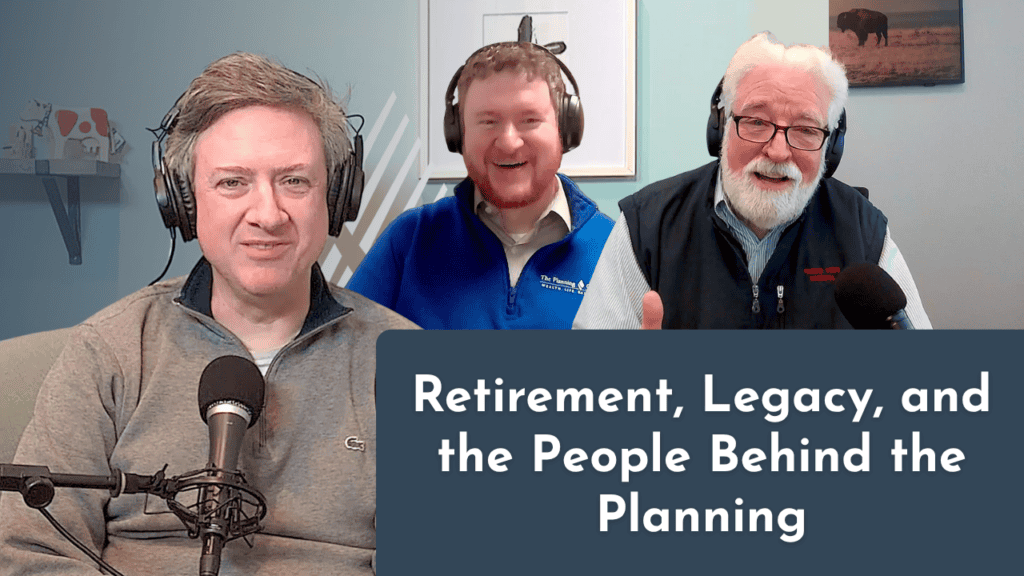
[00:00:50] Jude Boudreaux: Hello everybody. Welcome to another episode of The Living Beyond the Numbers podcast. I’m your host, Jude Boudreaux. I’m here with our director of positivity, Caleb Arringdale.
[00:00:59] Caleb Arringdale: [00:01:00] Hello.
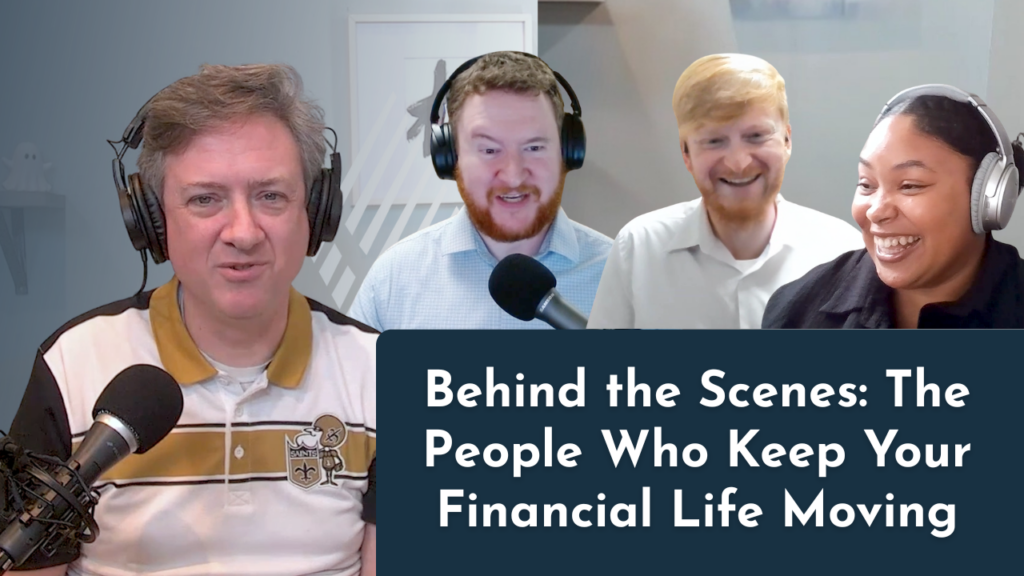
[00:01:00] Jude Boudreaux: All right, and so today we have a special guest. We’ve got Kevin Olson here. Kevin is our, uh, officially the trade desk associate, but he takes care of things for, uh, our trade desks and day-to-day operations within the firm.
[00:01:12] Jude Boudreaux: So Kevin, welcome, glad to have you here.
[00:01:14] Kevin Olson: Yeah. Thank you. Decided to do this.
[00:01:17] Jude Boudreaux: Yeah. Awesome. So, I mean, I, I, tell me a little bit about, I guess as a starting point, you know, what’s, what’s a trade desk, right? Like, uh, with clients, and I know obviously we’re handling things and doing, you know, investment stuff for them, but what is a trade desk?
[00:01:32] Jude Boudreaux: Tell us a little bit more about what that actually is.
[00:01:34] Kevin Olson: Yeah, yeah. Great question. Um, I would say primarily it’s, you know, it’s running the portfolio for our firm and for our clients. Um, you know, day to day that’s money coming in, you know, clients needing cash out, things of that nature. Um, you know, on a more weekly basis it’s things like rebalancing.
[00:01:54] Kevin Olson: We can talk more about that. And, um, yeah, those, those are kind of the primary things [00:02:00] I would say in the, the short term. Um, and then you get kind of strategic long term, you know, managing the portfolio as far as on the equity side and on the. The bond side, working with our fund managers, that gets kind of a little bit more high level strategic.
[00:02:14] Kevin Olson: So yeah, it’s very some day-to-day activities. Then there’s also kind of managing the portfolio at a high level, so,
[00:02:21] Jude Boudreaux: yeah. Well, and you, I know we’re, um, taking some additional leadership on our investment committee too, so maybe share just briefly about, you know, as investment committee, how we meet and what kinds of things we’re looking at there.
[00:02:33] Kevin Olson: Yeah, I’d love to. Yep. See, I’m a member of the investment committee. We meet. Monthly and, uh, more often as needed. Um, you know, the primary goal of that is, is getting a group together and, you know, looking at the portfolio, looking at, you know, the markets, kind of what’s, what’s top of mind, what’s going on in the industry, just really trying to, um, stay up to date on all of that information.
[00:02:56] Kevin Olson: Um, obviously we look at performance a bit. Um, you [00:03:00] know, just kind of making sure that, that that’s on track. We’re benchmarking things of that nature. Um, you know. It’s a, it’s a, a industry that’s constantly evolving and changing. And so whether it’s products, whether it’s the, the type of investment we’re buying, things of that nature, we’re always just trying to kind of stay on the leading edge of that and just ultimately making sure that whatever’s coming out or whatever changes we’re gonna make, it’s in the best interest of our clients.
[00:03:25] Kevin Olson: That’s really, I think, the discussion, uh, that we’re having at that, uh, that committee.
[00:03:30] Jude Boudreaux: Oh, yeah. Yeah, absolutely. That’s, um, yeah. It’s so great for all the things that might come up. There is always this filter of, uh, I always like to say it’s top down, like, what’s the best thing for our clients? And then best things for our team and the best things for our business.
[00:03:45] Jude Boudreaux: And then kind of the last part is the business owners. And as long as we keep that client focus first, everything else tends to take care of itself.
[00:03:53] Kevin Olson: Yeah, that’s right. And what’s, I mean, what drew me to this industry and what’s so fascinating is just constantly changing. You know, there’s, there’s [00:04:00] not necessarily a, a playbook.
[00:04:02] Kevin Olson: Of what happened last year will happen this year. Right? And so I think that’s what’s, what’s so exciting about it. Um, you know, from the client standpoint that can be kind of uneasy and unnerving. And so we try and I think kind of be that filter, all this noise coming in from the, the news, the media and the financial industry.
[00:04:21] Kevin Olson: How do we kind of synthesize it down and make it digestible for our clients to, okay, how do we actually implement this? What’s actionable, what matters to you? And what’s really just noise? And ignore it, right? Sifting through all the junk that’s out there, I think is one of our primary, uh, functions for sure.
[00:04:38] Caleb Arringdale: What brought you into this industry? What’s your background?
[00:04:43] Kevin Olson: Yeah, good question. So my background, I undergrad was engineering, graduated college in 2009, which was an an interesting time to be entering the labor force. I don’t know, price spent. Yeah, that’s right. That’s right. Um, you know what’s interesting?
[00:04:57] Kevin Olson: I, I was thinking about that in, in kind of [00:05:00] preparation. Even in undergrad. I was taking econ courses just for fun. You know, I just, I’ve, I’ve always been kind of drawn to economics and, and finance and so, you know, graduated with engineering, you know, worked in that field for, for quite a few years, and then was at a point where I just would just kept kind of being drawn to this industry and decided that I wanted to make that transition.
[00:05:22] Kevin Olson: Um. Called up Vanguard, you know, obviously a large firm. Went to work for them for like seven or eight years. Um, had a wonderful experience. Nothing but good to say about that firm. Stay in touch with a lot of those folks, in fact, and then primarily for family reasons was in Phoenix. Wanted to move back to the Midwest to be close to my family.
[00:05:44] Kevin Olson: Um, raise my kids around, you know, their grandparents and just. Got a little lucky that, you know, you guys at the Plank Center were looking for, looking for someone to take over the trade desk. So really, really grateful that that all worked out. And I’ve been here now three and a half, four years, and it’s [00:06:00] just been an absolute, uh, wonderful experience.
[00:06:02] Kevin Olson: So,
[00:06:04] Caleb Arringdale: yeah, and I like to say that everyone here is pretty smart. Like it can be a pretty intellectually intimidating place at times, but Kevin is probably on the high end of that. His ability to, uh, break down some charts or help us, help us out on the tax team, we do other things, is, is pretty impressive.
[00:06:20] Jude Boudreaux: Yeah, I mean, I need
[00:06:20] Kevin Olson: to say that. Appreciate it.
[00:06:22] Jude Boudreaux: Yeah. I mean, I echo that. I think it’s such a gift to us. I mean, you think, you know, you’re saying you feel fortunate that, you know, this timing worked out. And I would say for a firm, we are super fortunate that you’re here. ’cause to have somebody who’s got your, that, you know, experience, you’re a certified financial planner, right?
[00:06:37] Jude Boudreaux: So you really have this background in the industry, yet you have this engineering training and obviously like to think in this very systematic way. So for somebody who’s handling systems of. And rebalancing. It’s just such a great fit, I think, to your ability, to the role and yeah, I’m super excited that, that you’re a part of it.
[00:06:55] Kevin Olson: Yeah, I agree. Yeah, I love it. I, there’s days I, I get to come to work and I, I kind of [00:07:00] surprised that I get to do what I do and Yeah. Absolutely love it. So glad it’s been a, a good fit for everybody.
[00:07:05] Jude Boudreaux: Yeah. Oh yeah. No, that’s the fantastic, when it works out that way.
[00:07:08] Kevin Olson: Yeah.
[00:07:09] Jude Boudreaux: Um, yeah, so I, I guess thinking about like the.
[00:07:14] Jude Boudreaux: In the portfolio, like you, you mentioned you felt like yourself, you were always being drawn towards this. What, what do you think that was? What drew you to that line of work?
[00:07:23] Kevin Olson: Yeah, no, that’s a, that’s a good one. I think there’s a few things, like on the econ side and on just the markets. I mean, it’s just, I’m still fascinated.
[00:07:30] Kevin Olson: The more I learn about it, the more fascinated I get. It’s always changing. There’s always something, you know, you look back in April with the tariffs, like there’s just always something going on and I, I find that just absolutely fascinating and I think there’s something about kind of finance that it just kind of sits well with my brain, the idea of equity premiums and fixed income.
[00:07:53] Kevin Olson: And it’s just a lot of numbers and it just really speaks to, speaks to how my mind works and I think. On the other side of it [00:08:00] is kind of the highly emotional, psychological side of, you know, working with people and working with their money. And that also just fascinates me. I, the more I learn about that, I, again, it’s you learn a little bit and you wanna learn more.
[00:08:13] Kevin Olson: And I think that piece as well, um, maybe part of it kind of tugs in my brain, part of it kind of tugs in my soul. And I think that that balance, um, I really enjoy, really enjoy that a lot.
[00:08:25] Jude Boudreaux: Yeah, the early on in, when I was at the insurance firm, I uh, had a sales manager who always said, you know, you have to have the heart of a social worker in the mind of a capitalist.
[00:08:35] Jude Boudreaux: It’s a little bit of like a cheesy line, but
[00:08:37] Kevin Olson: love
[00:08:38] Jude Boudreaux: it. It’s true. I, at conferences, people often ask like, well, how much assets do you manage? I’m like. I don’t know, like, uh, I have a general sense, but like it’s, I can say exactly how many families I work with, you know, it’s the people who are my clients, not so much the money and um, you know, so I’m grateful that, you know, people like you in the systems are handling, you know, some of those day-to-day things on the money [00:09:00] side.
[00:09:00] Kevin Olson: Yeah, that’s right.
[00:09:01] Caleb Arringdale: So what do you find meaningful about this work? What to you means the most about the clients you’re able to help?
[00:09:07] Kevin Olson: Yeah, I think ultimately that. Clients can use this money to improve their quality of life. Kids, grandkids, charities, their community, I think, you know, that we can take a, a pile of, of assets or investments and, and potentially grow that over time so that they can have a higher quality of life for whatever that is.
[00:09:32] Kevin Olson: You know, that that means a lot of things to a lot of people and I think that’s the best way I can think to say that. And I think, so that’s one motivation or one goal. I think the other piece is just the. The peace of mind that someone can get knowing that, Hey, I’ve got somebody to talk to in April. I mean, I’ll just, I’ll use April again.
[00:09:48] Kevin Olson: You know, the market dropped a a fair amount pretty quickly. News is going wild. If you’re by yourself trying to, you know, kind of take in all that information and figure out what should I do? What should I [00:10:00] not do, you know, that’s really scary. I don’t think. Emotionally we’re necessarily designed to, to handle some of that on our own.
[00:10:06] Kevin Olson: So I think having a, a team, a partner, an advisor, you know, somebody you can call and say, Hey, kind of talk me through this. I don’t know what to do. And, you know, we can, we can be there alongside folks for that. So I think that peace of mind too, uh, resonates with me a lot. Find that really meaningful.
[00:10:21] Jude Boudreaux: Yeah.
[00:10:22] Jude Boudreaux: Oh yeah. Yeah. I mean, when those market events happen, there’s a lot of conversations, a lot of meetings, a lot of things going on internally. So, so yeah. So I think it. My hope for clients is they’re confident there’s a process, you know, behind this and, and what’s going on. Uh, and I think that’s the, you know, the best way to handle those types of things.
[00:10:41] Kevin Olson: Yeah, a hundred percent. Right. We have a process. We have systems, you know, we’ve got a philosophy and it’s, again, a lot of it is trying to take some of that emotion out of the process and just think long term and just kind of execute the plan. Right. And I think, you know, one thing I was thinking about.[00:11:00]
[00:11:00] Kevin Olson: Preparation is this idea that like everything is driving us towards short term thinking. And what we wanna be doing is just continuing to take a higher level view, a longer term approach. Right. And I think the more that we can do that and talk about that, you know, with our clients, the better the investment experience is gonna be for everybody.
[00:11:20] Kevin Olson: I think that’s just so important, again, that you look back now, it’s what? October? I mean, April feels so long ago. Yet in the moment it’s, it’s kind of a shock. Know folks are kind of getting excited. So
[00:11:32] Caleb Arringdale: yeah, along those lines, I think when people think of like a trade desk person, they think of like, you know, someone having 20 monitors, executing trades nonstop.
[00:11:41] Caleb Arringdale: You know, just data to day to day to day, to data. How different is your job from that? I mean, what you’re saying is it’s a much more long term idea. What, what, what are the misconceptions people have?
[00:11:52] Kevin Olson: Yeah, that’s a, that’s interesting. I agree. Yeah. I don’t know if it’s the movies or other places you do see that kind of the day trading, I think is really [00:12:00] what some folks maybe think of with the, the multiple monitors.
[00:12:03] Kevin Olson: Yeah. We don’t do that. Right. I think that’s, that’s super important that folks understand. We don’t do that. We’re not trying to time the market. We don’t, we just don’t play that game. We, we manage money for the long term, for decades and, you know, that’s, that’s process based. I will say our, you know, the fun company.
[00:12:20] Kevin Olson: We use, you know, some of those folks will be in that buying and selling to kind of get the portfolio constructed, how, how we want it in that way. But that’s not my role. I kind of more oversee those folks is a better way to think of it. Just making sure they’re, they’re doing what we’ve asked ’em to do.
[00:12:37] Jude Boudreaux: Yeah. So, so then, yeah, on that day at the trade desk, like tell us what kinds of things you might be doing. What’s a typical day look like?
[00:12:46] Kevin Olson: Yeah. Love that. I mean, the first thing in the morning, getting all the systems up and going, it’s gonna be reviewing some reports. You know, I think one of the bigger things is just, again, with the number of clients we have, we constantly have cash coming in and going [00:13:00] out.
[00:13:00] Kevin Olson: So just making sure if there’s new cash, hey let’s, let’s get that invested, right? We wanna put that to work for our clients. If it’s freeing up cash, let’s get that done. You know, looking at what’s time sensitive. I think that is one part of my role that’s a little unique is, you know, the market’s only open certain time of day.
[00:13:16] Kevin Olson: So things that are time sensitive, you know, a lot can happen from yesterday to today. So kind of triaging, all right, what’s most important? Let’s get that done first and throughout the day, you know, I’ll meet with, whether it’s our custodians, whether it’s some of our other service providers, whether it’s the fund managers.
[00:13:32] Kevin Olson: There’s just a lot of relationships that we maintain on behalf of our clients, and sometimes it feels a little bit behind the scenes. I think that’s a huge part of my role, is just making sure that. Again, we’re managing money on behalf of our clients. The folks that we work with. We need to advocate for our clients and make sure they’re doing what we’ve told them to do and what we expect them to do.
[00:13:51] Kevin Olson: I think that’s a, a big piece of this role.
[00:13:54] Caleb Arringdale: Something I don’t think I really appreciated until I was in your office asking a question about some fund, [00:14:00] and neither of us knew the answers. He said, let me call them. And I was like, wait, you can do that? And you’re like, yeah. You knew the contact you, we had an answer within five minutes because you knew the person, you knew how to get that information.
[00:14:10] Caleb Arringdale: So that, that was really cool. I, I didn’t know that was something we could even do, so that was great.
[00:14:14] Kevin Olson: Yeah. Another thing I love about this job talking day to day is there is a fair amount of ad hoc stuff that comes up, whether it’s portfolio analysis, you know, we have clients with assets outside of the planning center.
[00:14:25] Kevin Olson: Hey, take a look at this. What would we do with it? What do we wanna change? There’s so many different kind of ad hoc things. Again, speaking to my earlier point about just how dynamic the markets are, this industry and the work we do is also very dynamic. It’s always changing. You know, I, I think it’d be safe to say no, no day looks the same as another day, which, which I love too.
[00:14:46] Kevin Olson: Kind of keeps me on my toes and kind of keeps my, my brain activated, which I enjoy.
[00:14:52] Jude Boudreaux: Oh, sure. No, I often will bring Kevin in, uh, for many things, but certainly, oh, we’ve got a new client with this other [00:15:00] 401k plan, like, help us break down that allocation. Which funds are we gonna use? And it’s so great to have a, again, a systematic approach, uh, evidence-based approach around doing that.
[00:15:08] Jude Boudreaux: And, uh, somebody with some expertise to help, you know, put that together and make it work for a client family.
[00:15:13] Kevin Olson: That’s right.
[00:15:15] Jude Boudreaux: Yeah. So rebalancing is something that comes up a lot and I find it myself talking with clients about, so if you’re, you know, just describing that to our listeners, like how, how would you describe what, what that looks like for us on a regular basis?
[00:15:28] Jude Boudreaux: What’s really happening?
[00:15:30] Kevin Olson: Yeah, yeah. Rebalancing at its at its core level is just this idea of, you know, hey, we wanna, we wanna buy low, we wanna sell high, right? So I think everybody has heard that. Everyone agrees with that. And so if, if we start with that. The markets are constantly bouncing around day to day, week to week, month to month, year to year.
[00:15:51] Kevin Olson: The way we build the portfolio, you know, we’ve got our equity piece, we’ve got our fixed income piece inside of there. It, it breaks down even further, [00:16:00] but let’s just kind of keep it high level as equities. You know, let’s say those go up and as bonds maybe kind of stay fixed like they’re supposed to, we’re gonna take a look and we put in kind of some.
[00:16:13] Kevin Olson: Some, I don’t wanna call ’em barriers, call ’em tolerance bands. You know, we kind of say, Hey, we’re gonna let this go here, and then we want to sell it. And so every week we take a look at the portfolio across every portfolio, every investment, and we say, Hey, if this investment has gone up a certain amount over this tolerance band, we’re going to sell that again, sell high.
[00:16:36] Kevin Olson: And then we’re gonna look throughout the portfolio at what’s on the low side of its tolerance band, and we’re gonna. Buy low. And so that’s the, that’s really the idea. I, I think, you know, it’s just, again, to keep the portfolio in check. You know, the, the clients are working with their advisors to figure out, Hey, what’s my kind of risk tolerance?
[00:16:58] Kevin Olson: What’s, what’s the amount that kind of helps me [00:17:00] sleep well at night? When I look at my portfolio, it’s usually a certain mix of stocks and bonds, and we’re gonna, you know, one of my roles is to stay accountable to that, right? Not let the equities just continue to go up. And if we have a crash or something happens and a client experiences this large drop that they’re not emotionally prepared for, that’s, that’s not, that’s not me doing my job.
[00:17:19] Kevin Olson: Well, I think so, yeah. I think that’s really one of the, the primary purposes of, of rebalancing the portfolio.
[00:17:26] Caleb Arringdale: And, and obviously we have software that that helps this, right? Yeah. That’ll help with those bands. But is this a purely software driven decision or how does that work?
[00:17:37] Kevin Olson: Yeah, that’s that’s interesting.
[00:17:41] Kevin Olson: It’s primarily software driven. Yes. You know, I, I haven’t talked to this point yet. I mean, a lot of my role is definitely auditing the systems that we use, the software programs that we’re using. And so, yeah, it’s a little bit of that with rebalancing. You know, I don’t, you know, manually go through every single client account to check these, right?
[00:17:59] Kevin Olson: It’s [00:18:00] the software that puts out the proposed trades. I do go through those line by line, right? If we’re gonna trade in a client account, you know, we want me or someone else to look at that. We aren’t gonna let the software do that without us, you know, double checking that. So yeah, it is software based.
[00:18:15] Kevin Olson: You know, we set up the tolerances again, back to the investment committee. That’s a little bit of some of the discussions is, is around those types of things. But yeah, week in, week out, it’s me kind of auditing that. And to be fair, we look every week. The markets don’t always move enough every week to warrant rebalancing.
[00:18:33] Kevin Olson: If you look at a graph for this year, minus April, equities have kind of been up and right. Bonds have been up a little. So you would expect to see a fair amount of equity selling throughout the year to buy bonds, with the exception of the April drop. You see the inverse, right? Not every week, but again, as it continues to go up, it hits some of those, uh, rebalance bands and then that’s what, uh, [00:19:00] triggers the trades.
[00:19:01] Jude Boudreaux: Yeah. Well, and I’m just gonna ask this ’cause it, it’s come to mind, like if I was sitting here as a client and you say, no, the equities are going up fine. I’m thinking like, great. Like, so why, why are we selling then why, why are we worried about rebalancing at that point?
[00:19:17] Kevin Olson: Right. No, I mean, it primarily it’s to, you know, keep the risk in check.
[00:19:23] Kevin Olson: Yeah. I mean, you, you, you potentially could let that to continue to go and grow. You know, let’s say you’re a client who has a. 60% stock, 40% bond. You know, over time if equities, you know, outpace the, the bonds, which, you know, generally with the equity risk premium they do, you’re gonna have 70%, potentially 80%, you’re gonna have kind of this stock runaway, which seems like a good thing, you know, but if, if you’ve worked with your advisor and identified like, Hey, this is the portfolio that fits.
[00:19:52] Kevin Olson: Kind of my emotional risk, kind of the amount of risk I need to be taking. You know, markets do experience large drops, right? We know that [00:20:00] studying the history of markets. And so when that time comes, you know, again, back to the investor experience, you don’t want to be surprised. I didn’t think my portfolio would draw down as much as it did.
[00:20:11] Kevin Olson: And then you panic sell, right? You know, it can create this kind of cascade of, of problems. And so, yeah, on the surface it seems like. Hey, don’t sell things that are going up, right? I want those to continue going up. I think in this broader sense, we’re looking at the risk. We’re looking at that sweep sleep well at night and when the next, you know, market kind of downturn comes, we wanna have you well positioned for that.
[00:20:37] Caleb Arringdale: And I think that’s the benefit of having someone like you because as humans. That’s exactly the opposite of what we wanna do, right?
[00:20:43] Kevin Olson: Yeah.
[00:20:43] Caleb Arringdale: If it starts to go up, we get greedy and think, Hey, let’s let that sucker ride. Right? Let’s let that go as high as it can. But in reality with the markets you don’t know next day you could have a, you know, it could be a cliff.
[00:20:56] Kevin Olson: Yeah, that’s right. And the, I mean, the absolute worst thing you can do right there, I mean, there’s this [00:21:00] pretty famous quote out there of time in the market is much more important than timing the market. Right? And I mean, the worst thing you could do, if. Cliff comes and then you, you know, again, our, our emotional instinct is stop the pain, sell the cash, and it, you know, the markets, you know, I’ve been doing this over 10 years and it’s like they, they react so fast.
[00:21:21] Kevin Olson: It’s just continues to amaze me how fast markets in April was. An example of this, dropped massively a couple days later, pause tariffs, and they’ve been pretty much on a, you know, it looks like a jet taken off since April. It’s just. You don’t wanna do that. I think, again, being able to talk to someone, having that context, taking a a longer term view can help us not make those types of decisions that ultimately, you know, it, it affects your long-term wealth dramatically, right?
[00:21:51] Kevin Olson: If you run the numbers and you look at what happens if you sell out in a crash, I mean, it’s, it’s not a small amount over time compounded. It’s a [00:22:00] big number. And so, I mean, not making those big mistakes is such a big deal.
[00:22:04] Jude Boudreaux: Yeah, I often like to think that, you know, our work in a lot of ways has a lot more to do with farming than hunting.
[00:22:10] Jude Boudreaux: You know, it’s, you know, basic things, good days growing slowly, uh, more than, you know, stocking up the fridge for six months on one day. You know, it’s gonna, it’s gonna take a while, but, you know, done right, it can be really consistent. So that’s the, that’s the goal.
[00:22:28] Kevin Olson: That’s fantastic. I’ve never heard that.
[00:22:30] Kevin Olson: Took me a minute to figure out how was, how was go. I love that. That’s cool.
[00:22:35] Jude Boudreaux: Yeah,
[00:22:35] Kevin Olson: that’s cool. Thanks for sharing that.
[00:22:37] Jude Boudreaux: So, um, yeah, well, and all these Midwestern, you know, clients and things, we get the farm media, we, we with that.
[00:22:44] Kevin Olson: That’s right.
[00:22:44] Jude Boudreaux: Yeah. So, um, on the client side, I mean, I guess what do you wish that those families that we get to work with, what do you wish they understood about.
[00:22:53] Jude Boudreaux: You know, the trade desk and the operations process behind the scenes, maybe that, that helps ’em feel, you know, get some peace of mind, feel, [00:23:00] feel really good about what they’ve chosen to do.
[00:23:02] Kevin Olson: Yeah, I think a couple things. I think one that we’ve got, you know, kind of rigorous processes, rigorous systems, you know, this is research base.
[00:23:12] Kevin Olson: I think you alluded to that earlier. We haven’t talked a lot about that. But you know, the portfolio design that we’ve got in place for clients is based on. You know, kind of thorough research. You know, there’s a lot of ways to invest and some are better than others, but I mean, having a, having a system based on research that’s tested through multiple market cycles that clients are just comfortable sticking with is just so key.
[00:23:40] Kevin Olson: I think that’s what we’re doing. Yeah, I think that’s a, that’s a huge one.
[00:23:47] Jude Boudreaux: I, uh, I come back, David Booth has a quote about, you know, if you have an investment philosophy, you’d better have one. Meaning that it’s just one like that we’re not subject to the wind. And, um, so I think [00:24:00] that gets dangerous when you just start saying, oh, well I think now this is happening and we’re gonna go in this direction.
[00:24:05] Kevin Olson: Yeah. And I think back to the
[00:24:06] Jude Boudreaux: time,
[00:24:07] Kevin Olson: I think back to, just to the, just all the noise, right? I mean. Whether it’s, you know, neighbors, friends, family, the news, you know, now with social media, I mean, it’s just constantly coming at you. I think just even having confidence in your strategy or in your philosophy, I just, I’m becoming more and more convinced that’s really important, so that you just say, Hey, here’s my plan and I’m executing my plan.
[00:24:35] Kevin Olson: I’m controlling what I can control, and I’m partnered with. You know, folks that they also have a plan. They’re controlling what they can control and it just, you know, long term, again, looking at decades, the outcome is just gonna be so much better than if you’re just constantly changing and following the hot stock or listen to what somebody told you, or panic selling.
[00:24:57] Kevin Olson: ’cause the market goes down. I mean, that strategy is [00:25:00] just. One, it’s not a fun investment experience, and two, it just doesn’t math out over the long term, you’re gonna have sign significantly less wealth if you do that over the long term. It’s just, just the way the equity markets kind of reward patients in a strategy.
[00:25:18] Caleb Arringdale: Yeah. Does it ever get nerve wracking doing this job?
[00:25:25] Kevin Olson: Yeah, good question. I, I think, you know, I probably have a temperament that, that works well for this. I, uh, mm-hmm. Agreed. You know, I think that’s probably a, a big piece of it. I mean, I, I certainly, you know, during those moments of, you know, whether it’s April, I, you know, it, yeah. It’s, it’s stressful in the sense of there’s just elevated questions, activity, analysis, things of that nature.
[00:25:48] Kevin Olson: But I think, again, like the systems we have, they’re designed for that. We know it’s probably gonna rebalance. We, you know, we just, you know, we’re kind of students of the markets, if you will. We know [00:26:00] what history has done. We know that equity premiums exist for a reason and there’s gonna be large swings, and so.
[00:26:08] Kevin Olson: It doesn’t take all the emotion out of it, but you know, even in having an investment committee to, you know, Hey, let’s, let’s get together, you know, there’s a lot of folks with a lot of years of experience that have seen a lot of different things and, you know, we kind of bring all that together and, and make the best decisions for our clients.
[00:26:24] Kevin Olson: Given, you know, one of the things back to what I love about investing is we don’t know what’s gonna happen next year. You know, it’s, it, you know, you know everything in the rear view, but you don’t know what’s gonna happen next year. And it’s just. It’s so fasting. So you gotta have your strategy, you gotta have your plan, and then you just kind of execute it going forward.
[00:26:43] Kevin Olson: So,
[00:26:44] Jude Boudreaux: yeah. Yeah, it’s so hard, uh, living through and working through those down markets. Having been a little older advisor a little longer in the industry, you get through the the.com and then 2009, you know, you’ve, that big downturn. It’s, um, yeah, it’s difficult to say they’re with [00:27:00] clients. Even if you know what the right you believe the right thing is to do is to stick with it.
[00:27:03] Jude Boudreaux: It’s, uh, it’s unsettling times for sure.
[00:27:07] Kevin Olson: Yeah, we’ve talked,
[00:27:08] Jude Boudreaux: I think,
[00:27:09] Kevin Olson: yeah, go ahead. I would say we’ve talked a lot, maybe more about equities and everybody seems to enjoy talking about equities more than fixed income. But you know, a significant portion of a lot of clients’ assets is fixed income. And you talk about just quality.
[00:27:22] Kevin Olson: And like in those events, that’s where you want your fixed income to show up. And you know, we use investment grade, right? So this is high quality treasuries, high quality companies. You know, when I was at Vanguard, one of the most common. Questions and calls I would get from clients is, Hey, I wanna buy the Vanguard High Yield Bond fund.
[00:27:44] Kevin Olson: And I knew, and I actually did this before this, this time today, just for fun to see if it was still true. And I went out and I looked at all the bond funds I sorted by yield. And there’s number one Vanguard High Yield bond fund. And it’s, it’s one strategy, [00:28:00] but I always would make sure to replace high yield and I would say, I’m gonna call that a junk bond.
[00:28:06] Kevin Olson: And you just have a little bit more of a visceral reaction to junk bond than high yield, which sounds great, right? And there’s a reason that it’s has the highest yield. And you know, again, we, we’d like to say, Hey, we’re gonna take our risk on the equity side, on the fixed income side. We want that to be rock solid, safe.
[00:28:23] Kevin Olson: And that’s what we do. I think that’s a, that’s an important point too. Um, you know, we talk a lot about equity and the growth, but I think on the fixed income side, especially as we start talking about downturns, I want that to show up. In the moment that it matters for clients and for our firm. And high yield historically doesn’t do that.
[00:28:41] Kevin Olson: You’ll see high yield kind of take a pretty big hit as well look a little bit more equity like. And so I, I always like to tell people when you say high yield, say junk, and you’ll just, ah, I don’t want junk bonds. All right.
[00:28:53] Jude Boudreaux: Right. So Kevin, so you know, if we think about, you know, if you could give listeners like one piece of advice or [00:29:00] something about how they think about their portfolios, what would you, what would you share?
[00:29:03] Jude Boudreaux: What do you want people to know?
[00:29:05] Kevin Olson: One piece of advice. Yeah. Yeah. I think the best advice that I’ve heard over the years is just look at your portfolio less often. I think one piece I’ve, one point I’ve been talking a little bit about, but I’ll try and make it more clear, is just this notion of long term,
[00:29:22] Kevin Olson: we have a lot of converging forces that are. Getting us to think shorter and shorter and shorter. And I think you even see that a little bit with investments and portfolios and you know, things like Robinhood and day trading and, you know, meme stocks and it’s just shorter and shorter. And it’s like, you know, we’re, we’re in the business of managing money for decades and growing investment wealth for clients and their families over decades.
[00:29:46] Kevin Olson: And I think the advice I would give, and I’m guilty of this as much as anybody of, you know, look less. It’s just as simple as that. You know, if you could have the discipline to look annually or, you know, when you meet with your [00:30:00] advisor on, you know, whatever cadence that is, you know, I think that’s huge. Um, you know, I think you would just, your investment experience would be so much better if we looked less, you know, we’d, we’d spend less mind time on it.
[00:30:15] Kevin Olson: Um, yeah, I think that’d be, that’d be something that I, I’d give myself. I, I try and I think I’m about at monthly. You know, sometimes I peak every couple weeks, you know, but I’d love to get to annually, I, you know, it’s probably one of my life goals look less, you know? And I think even in my experience, it’d be better.
[00:30:35] Kevin Olson: So,
[00:30:36] Jude Boudreaux: yeah, it’s um. My wife doesn’t, you know, have access to any of those things. She could set up the, you know, Schwab app on her website or phone if she wanted to, but she hasn’t. And so every quarter and we kind of look at reports, he’s always pretty pleasantly surprised and I think it’s a lot happier experience when you,
[00:30:51] Kevin Olson: yeah,
[00:30:51] Jude Boudreaux: when you don’t look at it every single day.
[00:30:53] Jude Boudreaux: But even, you know, back in the old days when I was at Janus and it started in 2000, [00:31:00] you knew that every afternoon around four o’clock mountain time, you’re gonna get a stream of phone calls. Because there are people calling to get their balance that afternoon and they called every afternoon. So there were some people who were always were gonna, you know, always wired to do that even when it wasn’t the easiest thing to do
[00:31:15] Kevin Olson: if we’re swapping stories.
[00:31:17] Kevin Olson: So I was in the Phoenix office, which is the west coast, and so yeah, that the markets would close at four Eastern, it’d take, this was back in mutual fund days. It’d take a couple hours to price. And then like Jude said, I mean you could just set your watch and the phones would start ringing of, Hey, I need the balance of.
[00:31:33] Kevin Olson: V-B-I-A-X, I need the balance. And they, you know, some, some folks who have their little checklist and yeah, pretty, uh, pretty cool. And now more of it’s online, but yeah. No, that’s, uh, that’s a good story. Those are, those are good memories.
[00:31:47] Jude Boudreaux: Yeah, you’re right. It, it is interesting even for people to think like, oh, we didn’t know exactly what the fun value was.
[00:31:52] Jude Boudreaux: ’cause it does take a couple hours to finish the accounting at the end of the day.
[00:31:55] Kevin Olson: Right. And
[00:31:55] Jude Boudreaux: now with ETFs, you know, every minute exactly what it is. It’s, uh, [00:32:00] just how our, again, how our world’s evolving with the access to information. So, um, anything else you’d like our, you know, a listener to know about what’s happening behind the scenes in day-to-day of a portfolio?
[00:32:13] Kevin Olson: No, I think we covered it. No, I feel great. No, I feel really good.
[00:32:18] Jude Boudreaux: Yeah. Well, we have a few, uh, important, uh, rapid fire questions too. We like to go through with, uh, with everybody that joins us. So, um, my favorites is always, what’s your favorite animal?
[00:32:30] Kevin Olson: So I will, I’ll grab something off my desk here, a little show and tell.
[00:32:34] Kevin Olson: So my great uncle, this is an owl, so that’s, I’ll say that’s my favorite animal. Um, the bottom of it, 1987. So he just, for fun, he was in the trades, but he, uh, he made these for fun, um, like a concrete sculpture. Um, that’s super cool. Yeah. So this is, I mean, this is something that’s special to me and my great aunt.
[00:32:56] Kevin Olson: They both since have passed away now. Um. The eyes are little pebbles [00:33:00] or rocks. And she said they would go down to the river and she said they would just spend hours looking for, they had to be the perfect kind of little pebble. Mm-hmm. And so I, uh, that’s something super, super important to me and special.
[00:33:13] Kevin Olson: I keep it on my desk and, you know, I don’t know if owls represent like wisdom or something like that, but kind of reminds me to, to be, to be that and yeah. So I’ll say that that’s my favorite animal.
[00:33:23] Jude Boudreaux: Yeah. I think they do represent wisdom. That’s why they’re always like in the libraries and stuff, right. So,
[00:33:27] Kevin Olson: oh yeah.
[00:33:27] Kevin Olson: Cool.
[00:33:29] Caleb Arringdale: I think Owl and Athena, I think were related. So yeah. Got us a wisdom. Mm-hmm.
[00:33:34] Kevin Olson: Oh cool.
[00:33:35] Jude Boudreaux: That’s awesome. You always got some new knowledge for Nikah. That’s great.
[00:33:38] Caleb Arringdale: Sorry.
[00:33:38] Jude Boudreaux: No, it’s perfect. It’s be, be, we gotta be who we are, right? Like so. Yeah, yeah, yeah. So how about the best money that you ever spent? What would you say that is?
[00:33:50] Jude Boudreaux: Ooh,
[00:33:52] Kevin Olson: I’ll give two answers here. Um. One’s probably the, the good answer. I mean, family vacations is [00:34:00] definitely, you know, this summer we went out to Colorado, then just had a blast and spent some time in the mountains. You know, I, I alternate between like beach vacations and mountain vacations. And so we’ve got a lot of good memories in San Diego and on the beach with the kids.
[00:34:15] Kevin Olson: And you know, that money sometimes it feels like it’s hard to kind of. Save it and put together. And then once you get it, it’s kind of like, ah, I don’t know if I wanna let go of it. And I, I just have never regretted that kind of money on, on the kids and my family and vacations and experiences. And then the selfish answer is, I bought an e-bike, uh, many years ago when they were first out.
[00:34:37] Kevin Olson: They were more expensive. They’ve come down in price the last few years, this is probably, gosh, five, six years ago now. I bought this. It was like three or 4,000, and I have gotten tens of thousands of dollars of joy out of that thing. So that’s my selfish answer.
[00:34:54] Caleb Arringdale: That’s fantastic. So along those lines, maybe you just answered it.
[00:34:58] Caleb Arringdale: If you had to buy some [00:35:00] happiness, what would you buy? How much would it cost?
[00:35:04] Kevin Olson: Oh, that’s easy. I’d go out for a nice dinner with my wife. I’d probably get salmon, glass of red wine, appetizers, and you know, a hundred, 200 bucks. It was just her birthday last weekend. So we, we did that and had a really nice dinner and Sam was perfect.
[00:35:19] Kevin Olson: Red Vine was good. Appetizers were wonderful. And yeah, it’s hard to beat, you know, going out with friends for dinner, family, uh, you name it. That’s, uh, that’s something I really enjoy.
[00:35:32] Jude Boudreaux: Yeah, that’s great. And Caleb, I know you’re a cook too, but I’ll say like, salmon is surprisingly easy to do at home. Like you get really good, like, so.
[00:35:40] Jude Boudreaux: If you’re into it, we can, we can talk about that. That’d be a whole other different episode.
[00:35:46] Caleb Arringdale: Yeah. And, and Kevin is actually is pretty big into grilling as well, so like if you’re ever looking for some grilling tips, Kevin’s your guy.
[00:35:54] Kevin Olson: Yeah, my aunt gave me a cracked black pepper salmon recipe on the grill.
[00:35:58] Kevin Olson: That’s [00:36:00] unbelievable. I mean, we fight over the skin, it comes out like crispy and you know, you put salt on there and lemon juice and tartar sauce. It’s. I haven’t made it a bit, but it’s, it’s incredible. I mean, I’ve, I don’t think I’ve made it any other way since she gave that recipe probably 10 years ago.
[00:36:16] Jude Boudreaux: Nice. My growing up, my dad loved to make red fish down here in South Louisiana on the skin and scales on the grill, and um, yeah, it was similar kind of thing. It’s a nice way to have a good piece of fish for sure.
[00:36:29] Kevin Olson: Yeah.
[00:36:29] Caleb Arringdale: Mm-hmm.
[00:36:30] Kevin Olson: That’s awesome.
[00:36:31] Jude Boudreaux: Yeah. Caleb. Yeah. What else? You got on pops up?
[00:36:36] Caleb Arringdale: You kind of touched this.
[00:36:36] Caleb Arringdale: What about a favorite place to visit? I mean, you mentioned San Diego, Colorado, so is there a, is there a third or, or one of those two?
[00:36:44] Kevin Olson: Yeah, I mean, Colorado is definitely our favorite kind of extended family place to go and yeah, I love San Diego quite a bit. I’ve been there some of the most, I just, I love the beaches there and kind of a nice size city.
[00:36:58] Kevin Olson: It’s not too big, it’s not too [00:37:00] small. I love that third place. That’s a good question. That’s a really good question. You know, I mean, there was some mountains in Arizona that were only like 90 minutes from us and probably just the ages of my kids. It was, you know, really formative years. And so we would go up there and just had a blast and you know, kind of would just go off the grid and whether you’re playing in a lake or hiking or you know, whatever it was.
[00:37:27] Kevin Olson: And so. To be in, you know, a hundred plus degree heat and know that in 90 minutes you could be in, you know, 80 and pine forest, pine trees and shade and, you know, uh, just have a blast. And just, I think the kids’ ages, they were, you know, like toddlers into like early school and just, it’s just a really fun, uh, fun age to, to be in the mountains just playing around.
[00:37:49] Kevin Olson: So,
[00:37:52] Jude Boudreaux: yeah. Fantastic. Well, Kevin, so glad that you spent some time joining us today here on the podcast. It was really great to [00:38:00] have you pull the curtain back a little bit and share with us and the families listening’s more of what happens behind the scenes here.
[00:38:07] Kevin Olson: Awesome. Yeah. Appreciate it guys.
[00:38:09] Jude Boudreaux: Yeah, no, of course.
[00:38:09] Jude Boudreaux: Thanks. Thank you for joining us and so, uh, and thank all of you for listening and spending some time with us. Please, like, subscribe if you’ve got some comments. Shoot him on there. We’d love to hear from you. You can also reach us. I’m jude@theplanningcenter.com. Got caleb@theplanningcenter.com. And of course, unsurprisingly, Kevin, is kevin@theplanningcenter.com too.
[00:38:30] Jude Boudreaux: So thanks again for listening to another episode of The Living Beyond the Numbers Podcast and hope we’ll see you again soon.
[00:38:38] Voieover: Thanks for tuning in to the Living Beyond the Numbers podcast. If today’s episode resonated with you, be sure to follow us so you never miss a conversation. For more resources and to learn how we can help you align your wealth with your life’s purpose, visit us at theplanningcenter.com or give us a call at (888) [00:39:00] 333-6986.
[00:39:02] Voieover: The information covered and posted represents the views and opinions of the guest. And does not necessarily represent the views or opinions of the planning center. The content has been made available for informational and educational purposes only. The content is not intended to be a substitute or professional investing advice.
[00:39:18] Voieover: Always seek the advice of your financial advisor or other qualified financial service provider with any questions you may have regarding your investment plan. Investing involves the risk of loss. The information presented on this program is believed to be factual and up to date, but we do not guarantee its accuracy and it should not be regarded as a complete analysis of the subjects discussed.
[00:39:39] Voieover: Discussions and answers to questions do not involve the rendering of personalized investment advice, but are limited to the dissemination of general information. A professional advisor should be consulted before implementing any of the options presented.