[00:00:00] Intro: Every number on a balance sheet tells a story, late nights spent building something meaningful. The risks taken, the difficult conversations, the lessons learned along the way. But true wealth is not measured in dollars. It’s woven into the stories that we create, the experiences that shape us, and the memories that outlive us.
Welcome to the Living Beyond The Numbers Podcast with Jude Boudreaux. From the Planning Center, this show is not about spreadsheets and financial jargon. It’s about real conversations and powerful stories that help you align your money with your values, your dreams, and your legacy. Because at the end of the day, it’s not about how much you have, it’s about the life you want to live and the stories you leave behind.
Now onto the show.
[00:00:50] Jude Boudreaux: Hello. Thanks for joining us for another episode of the Living Beyond Numbers podcast. I’m your host, Jude Boudreaux, and I’m here with our director of positivity, Caleb Arringdale. [00:01:00] Hello, and we’ve got two very special guests today. Two of our team members who are client service specialists, people who often work behind the scenes, maybe don’t show up on a lot of your calls or meetings, but are here making sure things go right when we’re dealing with your money and handling things with your investment.
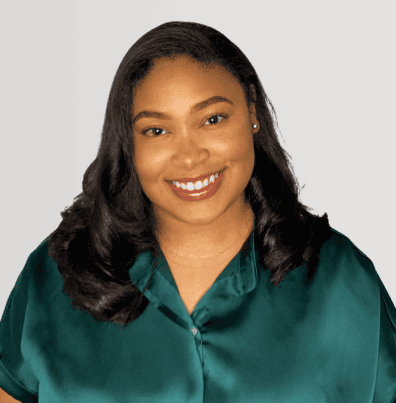
So today we’ve got Marissa Hardwick from our Chicago office.
[00:01:20] Marisa Hardwick: Hi Jude. Hi Caleb. Happy to be here.
[00:01:24] Jude Boudreaux: Oh, wonderful. Yeah. Excited to have you Marissa. And then Blake Murphy-Skelley from our Moline office. Hello. Hey, welcome Blake. Um, so yeah, so we’re, uh, excited to share a little bit more about, uh, what y’all do and how you view things with the, within the firm.
So, um, so yeah, so we’ll have a fun conversation today. So can you just share with us real briefly and with the people who are listening. If you had to describe to somebody outside, like what do you do within the firm for your clients, what would you tell them? How would you, how would you talk about this to someone who doesn’t know what your roles are?
[00:01:59] Marisa Hardwick: So [00:02:00] if I were to explain essentially what a client service specialist, we are a part of ops as a whole within the company, but our role specifically is to, um. Assist clients with all of their investment account needs, whether that’s opening accounts, processing distributions. Um, currently we’re in our r and d, which is a required minimum distribution.
We call it RMD season, which is our busy season. Um, since we do have that end of year deadline. And we just kind of are a bridge between, I guess, client needs and then, uh, actual planners. So planners often come to us and say, where are we with opening this account or processing this? And we can just give them that information straight from the custodian, which I think is, uh, pretty unique.
[00:02:50] Blake Murphy-Skelley: We’ll often be the ones who help, um, contact the client in regards to a rollover. So we’ll help call into the custodian and, um, help [00:03:00] roll over those accounts to their, their new TPC accounts.
[00:03:03] Jude Boudreaux: So, yeah. And as like, you know, as a planner, obviously most of my job is sitting here with clients. Um, you know, and I understand how, uh, these accounts work obviously, but it’s so critical for us to rely on, you know, we’ve got four people who are.
Customer service specialists and work with our custodians to make sure the account things happen, right? Because, um, there’s so many specifics and details of how things change from time to time. Um, so it’s so great. We have really talented group of specialists whose sole role is just to focus on those things and make sure that things happen, right?
More. Fixing what happens, fixing things that might happen wrong. Otherwise, if I were left to trying to do paperwork on my own, uh, for her example, every time I try to help, I feel like I make things worse. So I try to just stay out of the way as much as I can. Um, so is there a part of these things that, or happen behind the scenes that maybe you wish clients knew about that you think would be interesting for them to know or that they’d feel some comfort in [00:04:00] knowing was happening for them?
[00:04:02] Marisa Hardwick: I don’t know if I would want them to know, but we put out a lot of little fires, I think. Um, I think the part that I would want them to know is that we’re constant when there are those issues or little fires. We’re constantly trying to find solutions and I think, I take pride in our team, takes pride in.
Going through all of the possible solutions or actually applying them and then not having to involve the client until we absolutely have to, or just telling them things have been accomplished. Um, so that definitely is a behind the scene, daily thing. Um, but I think that’s what our clients appreciate, that they can come to us with an issue and then know that, okay, we’re gonna figure it out with ha without having to involve them more than they need to be.
[00:04:47] Jude Boudreaux: I think that’s a tremendous benefit because there’s, you know, if they’re doing this on their own, say at Charles Schwab, uh, then they’re the ones trying to figure it out. We get the benefit, I think, of hopefully seeing lots of right, lots of situations and then being able to say, [00:05:00] no, we can take care of this.
We can, we can help figure that one out for you. Yeah. Yeah. So Blake, in your bio, and I know this from working with you for a number of years, like you’ve mentioned, kind of wanting a place for a safe space for clients as soon as they walk in the door in the Moline office. Um, tell me a little bit more about that.
Like what does you think that looks like in practice or in your role?
[00:05:21] Blake Murphy-Skelley: So when I first started at the planning center, I started out as a client service associate. So I was right up front, um, and I got to meet the clients, um, firsthand when they first walk in the door. Um, so I think that it was really helpful to have that experience of meeting them right when they walk in the door, um, especially right when I started and they weren’t sure who I was yet.
Um, and just making them feel. Safe in this space, um, especially when we’re talking about finances and some of those conversations can dive a little deep. Um, so I think that the most important thing is just to make [00:06:00] them feel, um, relaxed. Um, feel like they’re at home in a way and like they can trust us. Um, so I think that can.
Spread from just asking them about their day, how their vacation was, or even, uh, just offering them a beverage when they walk in the door. Um, I think there’s a lot of different methods that we can use to definitely create that safe environment for our clients. And what was your background before you joined the planning center, Blake?
I worked at a bank, um, was my previous position before here. Um, and I thought that I knew a lot about finances when I first came in here. And then when I started at the planning center and started seeing more of, um, the details regarding the accounts that we work around, I quickly found out that there was a whole other side of the financial field.
Mm-hmm. Before banking I. Worked in customer service. I worked [00:07:00] at a grocery store. I also worked in restaurants. So I feel like that helped me kind of prepare for where I’m at now and being able to handle customer service as well as I can.
[00:07:13] Jude Boudreaux: Yeah, I almost feel like everybody should have to work at like a restaurant or a hotel for a brief period of time.
Like you just learn so much about people and dealing with. Uh, you know, emergency is big and small. It, uh, there’s so much learning that comes outta that. Uh, Marissa wanna share a little bit about your background too. How did you end up at the planning center?
[00:07:34] Marisa Hardwick: Yeah, so I actually started off in healthcare.
I was working in physical therapy. That is what I went to school for, but I soon found out that that was not where I needed to be. Um, uh. I did take a couple classes related to like business, marketing, finance while I was still in college, and I was just like, okay, this is my other [00:08:00] route. I really enjoyed it and I felt I was good at it, so I was like, let me just put my foot out there and see what happens.
And I found the planning center and I’ve been here just may two years in September. So I was coming from realm where I had very little knowledge of financial advisement or um, wealth management at all. So I was really just trying to learn as much as I could, soak up as much as I could and just like work my way up.
I started as a CSA, which is our client service associate. And just, and then moved into the client service specialist position and have just been every day learning more and more and like, just trying to expand my understanding. ’cause it’s, it’s really fascinating. So
[00:08:48] Caleb Arringdale: I’ll say that about both of you.
You’ve only been here a couple of years and yet it feels like you’ve been here like forever just because, not only your knowledge, but also the way you’ve become so part of the company and how many clients [00:09:00] rely on you guys. It’s, it’s amazing that it’s only been a couple of
[00:09:02] Blake Murphy-Skelley: years. I think that just speaks for the company’s atmosphere too.
I feel like it’s, it’s been made a very comfortable place for, and I’ll speak for myself, um, for us to, to work with and you know, when you first start at a place you wanna feel welcomed. And that’s exactly what I felt when I started at TPC.
[00:09:23] Jude Boudreaux: Yeah. That’s amazing. I think that’s kind of our role as people who are, you know, everybody, how we make a team feel or something.
If I go back to my time at the hotel, I think this is kind of one of those lessons, like the way you make the team feel has everything to do with the way the team helps the clients or the people who are gonna show up that day feel. And so, um, I’m so grateful every day as somebody who worked on my own by myself for a while, and then with a very small team as we have this bigger team, um, to get to know everybody and to work with them because it’s, um, just another way to have people feel taken care of.
And that’s, you know. The great [00:10:00] gift that we have is the, the ability to help families take care of this important stuff in a caring
[00:10:05] Caleb Arringdale: way. So obviously, without mentioning any names or anything, can you share a story or two of some time when you’ve helped a client or one of these little fires you’ve had to put out, or some way you’ve been able to, you know, add to the client experience here?
[00:10:20] Blake Murphy-Skelley: Yeah, so within my first year at TPC, um, a client who has or was related to a previously established client of ours, um, was inquiring about services because their spouse had passed away. And when they first came in, they were very distraught about losing their spouse, which anybody would be. Um, that’s very understandable.
Um, and from the minute she walked in the building, I tried to make her feel as safe and comfortable as possible. I can’t imagine how hard it is to have those conversations. Um, but to make her feel more comfortable. Um, we kind of tried to take the extra mile by sending flowers to her house. [00:11:00] Um, we sent, uh, a TPC onesie to her house when her first grandchild was born.
So I feel like we just taking those extra steps to create the comfortableness in an uncomfortable environment sometimes, um, can be really helpful.
[00:11:17] Marisa Hardwick: So recently. We did have a Chicago client who passed away and she needed her investments account investment accounts distributed to her children. She had three children and we had to open up six accounts in total to each.
And I remember when Michelle, one of our planners, she mentioned this was about to happen. Uh, she was just like, just a heads up, it is gonna be quite a bit. And I was like, okay. Like we just have to. Make it happen for the, her children are not clients of ours, but they just came to us and were like, if you could just assist us with this last piece, um, so we can kind of start to move on and have this something off of our plates.
And we were like, absolutely. [00:12:00] Um, so it was. During that whole situation, it was met with quite a bit of pushback from the custodian just because they have their own practice and what they deem to be best and what they will and cannot do. Um, so that was a lengthy process, but I feel as though the children of the deceased client were very appreciative, um, very great to work with, even though they did not wanna move.
Forward. They were just very appreciative that we could take the time out to make something that was a hard situation for them to deal with a little bit easier. So I took a lot of pride in that and I felt really good about it. Um, ’cause now that’s something that they don’t have to work with on their own and their off time.
They just knew someone else was doing the backend.
[00:12:55] Caleb Arringdale: I don’t think people realize how much of a time suck that can be. That can take so much [00:13:00] time to send the proper documents, fill out the proper forms, and the fact that you can jump on the phone with someone or, or do most of the work, even just without involving them, is really impressive.
What’s a common worry that clients have that you think is really not that big of a deal or something that you clients express that you know, uh, you know, disquiet them a little bit, but really it’s something they shouldn’t be worried about?
[00:13:24] Marisa Hardwick: I am gonna say something maybe a bit more trivial, but they are often really worried about their technological literacy, and I always assure them that I’m not going to be the end of the world.
Um, and I will happily jump on a Zoom, jump on the phone, help guide them through whatever needs to be done or, um, on the computer. Whether that’s approving something, uh, that needs to be signed by at a custodial level or even just signing into an account if it just something [00:14:00] that I think sometimes people can be somewhat ashamed of and it’s, it’s not anything to be ashamed of.
[00:14:07] Blake Murphy-Skelley: I do agree with Marissa about the technological literacy. Um, but I’ve also been told by some clients that they’re a little worried about maybe sending us their social security number or more in-depth documents with more personal information. Um, but all I can do to reassure the client is that we, we have our measures in place, we have our security in place.
Um, your information is safe when you upload to those platforms that we request that information.
[00:14:36] Caleb Arringdale: That’s great. I I kind of final one about the way you help clients. What’s something you do that I think, that you think makes a big difference to clients that they might not even realize that maybe is even a small task for you, but has a big impact on the client’s lives?
[00:14:51] Marisa Hardwick: I just tend to remember little things. Um, I don’t, in Chicago we don’t get to see a ton of clients in person. [00:15:00] Um, I think that was kind of a drop off after COVID and a lot of clients opted to do more virtual meetings. So when we do get to see people in person, especially some of our regulars, I do like to have those quick conversations before they go back for their meeting and, you know, kind of catch up where we left off.
Ask them about, you know, what’s going on with your family? If they moved, like how did that go? How did they like their new place? Um, just a more personal level, because I think so often in our role, most client outreach is. Technical, it’s for their accounts. It’s, it’s not personal. We’re not asking so much about like, what’d you do last summer?
So I think those little moments in between, um, where I can establish a more personable, uh, link to them, that’s where it comes to him.
[00:15:55] Blake Murphy-Skelley: Yeah. Um, I agree with Marissa about, um. Checking in [00:16:00] with the clients regarding their vacation or how their lives are going. Um, I also think from like a work standpoint, just continuing to follow up with clients regarding outstanding tasks or, um, action items that need completed.
There’s a lot of appreciation that comes from the client’s end, um, that’s been presented to me just because some of those emails are easy to get lost in. Abyss of emails that exist, um, within many people’s inbox. And I, I try to follow up quite a bit, just so you know, it can be at the top of their, their email chain, um, all the time.
And I, I’ve gotten positive feedback about that from clients themselves. Yeah.
[00:16:48] Caleb Arringdale: I, I think of like our industry as a whole, so much of it. Especially like a larger custodian or a larger environment, no one knows who’s actually helping them, right? It’s just the nameless customer service rep. Right? [00:17:00] But the really thing, like in my experience I like about this, is that you, you know, the clients, they know you, you’re able to have these questions with them because you are at least, you know, frequently, frequently having these conversations.
So it’s, uh, I think it, I think it is something that is different about us that I, I think clients really enjoy.
[00:17:16] Jude Boudreaux: Yeah. And in a way I think it adds to like the security too, right? If, um, we’re, you know, you’ve been having these conversations with a client and you know what’s going on, if something out of the blue comes through, you know, you all are on the front lines, you see those notifications, and so you can let a, let the planner know or somebody else know, like, and this doesn’t seem quite right.
Do you know if you know Joe and Jane were trying to do this thing? Um, I think it, it goes a long way to making sure you know, everything is safe for those families.
[00:17:45] Blake Murphy-Skelley: I definitely agree.
[00:17:46] Jude Boudreaux: Right. So, you know, and I think it’s come up in this conversation, right, as a firm, like we’re trying to provide people with excellent service and really kind of be, you know, in that front foot with them and, you know, trying to, uh, address [00:18:00] things as they come up or before, or perhaps even is there, um, a way you see like that put into practice?
Like that’s not just like a buzzword, but something that you find we’re doing that helps clients in advance.
[00:18:12] Marisa Hardwick: Yeah, I’ll go off what Blake was just mentioning, just with our follow up, um, especially where we are season seasonal wise. Now during RMD season, there’s gonna be a, there is a ton of follow up from us, from the planners, from our CSAs where clients need that because they’re just so inundated with so much coming at them because so much has to be done.
Um, so I think by. Being that link where like, okay, they can rely on us for something to be done. Um, it’s really important and really beneficial that I think maybe not a lot of people get, and that’s why they like our company and our company’s culture. Um, because not only are we committed to [00:19:00] providing a service where they can trust that we’re doing the best for them financially, we’re they’re trusting that we’re doing the best for them personally as well.
[00:19:09] Blake Murphy-Skelley: I definitely agree with Marissa. Um, I think excellent service means that we go above and beyond for the client. Um. I feel like we not only approach each individual situation with care and follow through, but we also bring a level of empathy and understanding to each individual situation and client. Um, I feel like we genuinely care about our clients and wanna see the best possible outcome and result for them.
Uh, for me personally, I like to keep clients in the loop throughout any process that we have. So if, if there’s a rollover or a transfer or an account opening, I like to keep them in the process just so they are also in the know. And also we wanna make the experience as simplistic as possible for the client as well.
[00:19:51] Jude Boudreaux: Maybe talk briefly about just kind of like that thing with a rollover, right? It seems like a simple idea. I wanna move this money from one place to another. But as we all [00:20:00] know on this call, like there’s a lot of things that can happen within that and it’s gonna take some time. So, um, anything you wish clients knew?
Like if they were going about transferring some money? Like what, what should they be aware? What should they expect that’s gonna come their way?
[00:20:14] Blake Murphy-Skelley: Typically it, it really depends on the custodian that we’re rolling it over from. Uh, some will require additional paperwork. Um, a lot of custodians still send checks throughout the mail, um, to the client’s home address.
So once they receive that, they will either have to send that to one of our offices or drop it by an office. Um, but we like to typically keep them in the know regarding that. Um, so if, if additional paperwork is. Required to process the rollover. I like to always just continue to follow up with them and just let them know where we’re at in the process of that.
[00:20:50] Marisa Hardwick: Yeah, I think we go above and beyond with the communication for rollovers. Like I know personally, I, after I get off the phone [00:21:00] with the custodian and I still have the client on the phone with me, I’ll just reassure them like. Not only am I gonna send them a follow up with everything we accomplished during the call, but also just to forward me any correspondence they receive from.
The contra firm, um, if they have any questions, if they need to talk to their planner about this again. Um, just so they feel the most at ease as possible. Um, ’cause um, I think Blake and I have even been on rollover calls together where, you know, we’ve gotten hit with curve balls where they’re like, we’ve gotten to the end of the rollover, and they’re like, actually no, we don’t wanna do this ’cause we’re not comfortable yet.
And we’re like, yep. Like. Let’s stop. Um, we want you to, we want you to feel supported and you to absolutely understand why this is happening. So we’ll start from ground zero, no issue.
[00:21:52] Jude Boudreaux: Yeah. Well, and like you brought up like. The thing that makes me most like, wanna shake my fist into the void. They like, for some reason, so many firms still [00:22:00] wanna mail checks to clients that then they have to forward to somebody else.
And it just seems like such an unnecessary step. It seems like it’s less secure, but it’s, boy, that’s the way it happens and that’s how we’re gonna do it. So, um, yeah, so often with those kinds of things, we’re very much at the behest of the, the firm and whatever their policy books does.
[00:22:17] Caleb Arringdale: So you mentioned Blake, that you learned a lot.
About the financial industry, obviously when you switched from working at a bank to working here, but how has this work for both of you? How has this work impacted the way you view
[00:22:29] Blake Murphy-Skelley: financial decisions? Since starting at TPC I’ve, I’ve gained so much knowledge about the financial industry. Kinda like I said earlier, um, I worked in banking before this, and that’s such a small fraction of the financial realm.
Um, so going through and, and talking to planners about just the bucket process of having three separate buckets, um, that has helped me even tremendously. I think the thing that I’ve learned the most is while money [00:23:00] struggles are real, they’re just the chapter in the book of our life and they’re not permanent.
There’s always ways to navigate money and create a better outcome to any situation. Um, and I think I’ve just kind of taken that and, and realized that. Just because we might be going through hardship right now doesn’t mean that that’s going to be forever. I still wanna live my life to its fullest capacity, um, whether there’s money or not.
[00:23:33] Marisa Hardwick: Yeah, that’s a good one. Blake. I feel like for me, like Blake’s mentioned, I’ve learned so much and coming from a background where I had, um. Very little knowledge of the financial world and, um, personal finance. I think now more than ever, I understand how important it is and how beneficial it is to have someone in your corner who, when you are in those moments of vulnerability [00:24:00] or um, having some anxious feelings about money, you can go to them and be like, okay.
What do I need to do? And they have an answer for you because sometimes that’s just really what you want is someone tell you it’s gonna be okay. This, this is gonna be fine. Um, when we were having a lot of that, um, stock market volatility, it. A lot of clients were calling in and they just needed that reassuring, um, note that, okay, this is gonna be for the time being, but then we’ll circle back and see how things look in a month or so.
Um, and even like personally, like I encourage my own family to like take more charge of their. Financial freedom and like my grandparents have opened a trust, so they never thought they would ever do that and not, and that I don’t even know that much about trust. I’m like, I see what they can, they can be beneficial, so why not We do it.
Like why not? Let’s try it And um, you know, just help ourselves out. So
[00:24:58] Jude Boudreaux: yeah. That’s so great. Um, [00:25:00] yeah. I think about this quote probably every day with clients, but like, so Maya Angelou, right? And we know better. We do better. And it’s, um, yeah, as we learn about how some of these things work, we can put that into place in our financial lives and, uh, you know, have those conversations with others and help nudge people towards a solution that that’s a good fit for where they’re at.
All right, so as we move on to kind of the last segment, we’ve got some rapid fire questions for y’all. So first one, this is my most important question is always, uh, what is your favorite animal?
[00:25:31] Blake Murphy-Skelley: I’d say my favorite animal is a giraffe. There’s always been something that’s drawn me towards them. Um, it might be the similar hair color that I have, but, um,
I also appreciate just like how tall they are. It’s it, they stand out from everything else.
[00:25:49] Marisa Hardwick: My fa I actually have two, but my ultimate is a raccoon. And then I also love otters. I think they’re just the cutest little things. They both have hands. So maybe I just have a thing for [00:26:00] animals with hands, I don’t know.
[00:26:03] Jude Boudreaux: Oh, that’s so great. Um, yeah. So how about, um, what do you think is the best money you’ve ever spent?
[00:26:11] Marisa Hardwick: The best money? I, maybe a trip. Um, I love to travel and like. Learn from new places and new people. So I always think that’s just worth it in the end. Um, and I also enjoy planning trips, so maybe that’s part of it that I don’t mind spending money on that.
[00:26:32] Blake Murphy-Skelley: I’d say the best money that I’ve spent would probably be my house. Um, just making that big of an investment. It’s kind of intimidating and just seeing how much. Effort and work constantly that home ownership takes it’s, it is very intimidating, but just also have that piece of property that you can say, I’ve worked towards this and I [00:27:00] have earned this.
It makes you feel really good.
[00:27:04] Jude Boudreaux: That’s awesome. And we should probably have a separate trip planning episode, Marissa. That’s um. The most, the thing I get asked most often about non-related to our work, I mean tangentially, but um, is for clients, uh, it comes up all the time, so we should probably do like a planning and resources episode one day.
Yeah. So, but on that thread, how about favorite place to visit travel wise?
[00:27:29] Marisa Hardwick: My favorite place to visit is actually in Michigan. It’s my grandparents’ home. Um, it always was. We, we would, you could feel it, but they would always say it too. Like, this is your home too. This is your second home. Um, we would go there every summer for a couple weeks and sometimes you, that would be the only time we gotta see them.
’cause we live in Chicago. Um, and you just cherish that growing up like year after year. You know, you look forward to it. They have a huge pool and it’s beautiful [00:28:00] out there. So it was just like a kid’s paradise, tons of land to run around on. Uh, but yeah, just those moments with them growing up makes it special.
[00:28:09] Blake Murphy-Skelley: I’d say my favorite place to travel to is this town down in Florida called Cocoa Beach. Um, my partner’s family. Takes trips down there quite frequently and we tagged along with a couple of those trips and it was just phenomenal vibes, beachy atmosphere and swimming all day long. And just to have kind of a different atmosphere than what we’re used to being able to go to the beach instead of going to the river.
Um, it’s, it’s, it’s a different vibe. So, yeah, I just, I just love the feel down there and, um, just feels like relaxation.
[00:28:48] Jude Boudreaux: I was thinking it’s different than the quad cities, but for sure. Yeah. Uh, that’s great. And Marissa, I think your answer was probably my favorite one ever for that question. That’s really cool.
[00:28:58] Caleb Arringdale: That was really good.
[00:28:59] Jude Boudreaux: [00:29:00] Yeah. Um, how about, uh, dream trip anywhere that you’ve always wanted to go, but never been?
[00:29:05] Blake Murphy-Skelley: So I’m a huge reality TV fan and I am quite the survivor watcher and they film in Fiji.
[00:29:14] Marisa Hardwick: Oh,
[00:29:15] Blake Murphy-Skelley: and just to see how clear the waters are and how beautiful it looks, that’s kind of been on my dream vacation list for quite some time.
[00:29:24] Marisa Hardwick: Mine will probably be Japan. Um, just never been to anywhere in Asia and. I would like to start there and kind of make my way around, but I just think Japan is just a beautiful culture. Japanese, it’s a beautiful culture and, um, just wanna learn more about it.
[00:29:45] Caleb Arringdale: Awesome. Caleb,
[00:29:45] Jude Boudreaux: do
[00:29:45] Caleb Arringdale: you
[00:29:46] Jude Boudreaux: wanna
[00:29:46] Caleb Arringdale: hop
[00:29:46] Jude Boudreaux: in with
[00:29:46] Caleb Arringdale: any, one of my favorite questions of these rapid fires is if you had to buy some happiness, what would it be?
Approximately? How much would it cost? So you just go to the store and buy something that’ll make you happy. [00:30:00] What is it? How much is it?
[00:30:02] Marisa Hardwick: Ice cream, $5, Ben and Jerry’s.
[00:30:08] Blake Murphy-Skelley: I was gonna agree with Marissa about 6 59 at the local Dairy Queen. Um, yeah, there you go. That, that buys my happiness entirely.
[00:30:19] Caleb Arringdale: You can’t go wrong with sweet sugar.
Cold sugar is about the best type of sugar. Agreed.
[00:30:25] Jude Boudreaux: Well, wonderful. Well, um. I really excited that, that we’ve had y’all come on here today. So, um, so Marissa, Blake, I’m so grateful that y’all spent some time, uh, with us today. Any, any final words or closing thoughts that, uh, you wanted to share?
[00:30:41] Marisa Hardwick: Thanks for having us on, thinking of us.
Um, you know, I’ve watched a couple episodes of the podcast and, you know, it’s just interesting to see. So when you approached us saying you want us on, I was a little like, whoa, I’m a spectator, but you know, [00:31:00] this was cool to be a part of and I really appreciate it.
[00:31:03] Blake Murphy-Skelley: I agree with Marissa. I was in the same boat.
I was a little intimidated at first, but um, it’s been really fun and it’s just been nice to listen to the past episodes and to see how everybody has different takes on everything. And, um, I think that makes us unique and it makes us special and I think that’ll just be shown in many episodes to come as well.
We all can come together while all having separate opinions about how to get to that final point. So. Yeah. Thank you for having us on.
[00:31:34] Caleb Arringdale: Yeah, and I think it’s so cool because there are some people here who are like more client facing, some people who are less client facing, but seeing how everyone works together and even if you’re not as client facing, there’s still a lot of client communication that you have and, and how integral you both are really, the whole ops team is to making this whole thing work.
So really appreciate you guys taking the time.
[00:31:58] Jude Boudreaux: Yeah, so thanks for joining us for another [00:32:00] episode of The Living Beyond the Numbers Podcast at the planning Center. Um, please like, subscribe. Uh, send any questions or comments our way, we’d love to hear from you. And if you have questions for any of us that were on the episode today, you can reach me, jude@theplanningcenter.com.
Caleb is caleb@theplanningcenter.com. Blake, unsurprisingly isBlake@theplanningcenter.com, and it’s Marissa, H-M-A-R-I-S-A h@theplanningcenter.com to reach Marissa. So thanks everybody again for being here and joining us and we’ll look forward to seeing you on another episode of the podcast. Pretty soon.
[00:32:36] Outro: Thanks for tuning in to the Living Beyond the Numbers podcast. If today’s episode resonated with you, be sure to follow us so you never miss a conversation. For more resources and to learn how we can help you align your wealth with your life’s purpose, visit us@theplanningcenter.com or give us a call at (888) 333-6986.[00:33:00]
The information covered and posted represents the views and opinions of the guest and does not necessarily represent the views or opinions of the planning center. The content has been made available for informational and educational purposes only. The content is not intended to be a substitute or professional investing advice.
Always seek the advice of your financial advisor or other qualified financial service provider with any questions you may have regarding your investment planning. Investing involves the risk of loss. The information presented on this program is believed to be factual and up to date, but we do not guarantee its accuracy and it should not be regarded as a complete analysis of the subjects Discussed.
Discussions and answers to questions do not involve the rendering of personalized investment advice, but are limited to the dissemination of general information. A professional advisor should be consulted before implementing any of the options presented.