[00:00:00] -: Every number on a balance sheet tells a story, late nights spent building something meaningful. The risks taken, the difficult conversations, the lessons learned along the way. But true wealth is not measured in dollars. It’s woven into the stories that we create, the experiences that shape us, and the memories that outlive us.
[00:00:21] -: Welcome to the Living Beyond The Numbers Podcast with Jude Boudreaux. From The Planning Center, this show is not about spreadsheets and financial jargon. It’s about real conversations and powerful stories that help you align your money with your values, your dreams, and your legacy. Because at the end of the day, it’s not about how much you have, it’s about the life you want to live and the stories you leave behind Now onto the show.
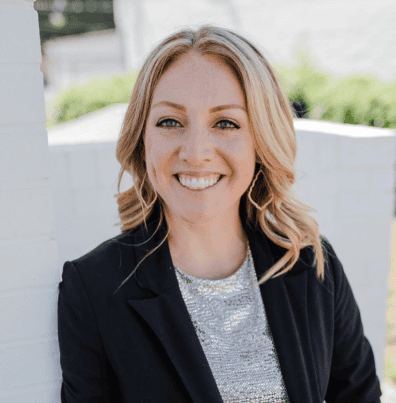
[00:00:51] Jude Boudreaux: Hey everybody. Thanks for joining us for another episode of The Living Beyond The Numbers podcast. I’m your host, Jude Boudreaux. I’m here with our director of positivity, Caleb [00:01:00] Arringdale. Hello. And we’ve got a really special guest today. Um, somebody I’ve gotten to know over the years, uh, I would consider a friend and I think is just a tremendously gifted person in working in our space of money and life and emotions, uh, as, uh, you know, her and her background as a therapist, and now working in her own practice.
[00:01:22] Jude Boudreaux: Assisting families and financial planners with dealing with some of these big life questions and how money intersects with everything. So that’s Ashley Quamme who’s joined us here today. So thanks for joining us, Ashley.
[00:01:33] Ashley Quamme: Yeah, thanks Jude. Thanks Caleb. Thanks for having me.
[00:01:35] Jude Boudreaux: Yeah, I’m super excited to have the conversation and um, I think I didn’t do a great job of giving your background there, so maybe why don’t you share a little bit of kind of what’s led you to what you’re doing now?
[00:01:46] Ashley Quamme: I think you hit the high points there. Uh, but a little bit more context. My home discipline is in marriage and family therapy. So I started out my career, um, you know. [00:02:00] College, graduate school licensure in marriage and family therapy had my own private practice. Um, actually up until this year. Uh, and that practice evolved from a solo to a group practice, uh, focusing on serving couples and serving families.
[00:02:16] Ashley Quamme: Um, initially that’s where it started. It has evolved over the last six or seven years to focusing more on the intersection of relationships and money essentially. So how does money show up in our relationships? Whether that be familial, whether that be, you know, our partnerships, our marriage, um, you know, even in parenting, like how does money show up?
[00:02:38] Ashley Quamme: Uh, what are the challenges? And, you know, at least my role in that, um, has been to support clients, helping them to understand why it is that they think, feel, and do money the way that they do. Um, so that is kind of where I have, have lived. Um, that’s a little bit of my thinking. So just to give some context there in terms of how do I think about.
[00:02:59] Ashley Quamme: [00:03:00] Problems or how do I think about solutions? Change all of that. Um, about six or seven years ago, um, you know, I stumbled upon financial therapy. Uh, and that really came out of, um, some challenging couples cases, not knowing how to serve them best. And I found financial therapy and really fell in love with it.
[00:03:24] Ashley Quamme: Uh, but from there I also fell in love with something else, which was helping financial advisors. Uh, and so over the last several years, my work has evolved. Um, I have pivoted now what I jokingly call over to the dark side, uh, financial services and primarily working with and for, um, RIAs firms, for advisors.
[00:03:49] Ashley Quamme: Training and helping them, um, but also working with their clients, uh, as well. Um, on the personal side, my husband, he’s A CFP. Um, I’ve got two kids, [00:04:00] uh, who are pre-teens, which is. A beautiful stage of life, but also a challenging one, uh, in and of itself. So, um, my cup is always running over Jude, uh, in terms of who I am, just background, all of that.
[00:04:17] Ashley Quamme: My cup’s just always running over, but I am thrilled to be here and to be amongst like-minded people, uh, like you.
[00:04:25] Jude Boudreaux: Oh, thanks. Well, I know you and Clayton have uh, lots of, lots of fullness in life, which is a beautiful thing and sometimes is hard to manage in this middle part for sure, too. So, yeah. Uh, at least they’re preteens, like mine’s 15, my daughter.
[00:04:38] Jude Boudreaux: And so it’s a different, uh, it’s a little different animal as I keep learning. Um, I always refer to Lucy as my great teacher and she doesn’t love it, but, uh, it’s been true.
[00:04:47] Ashley Quamme: I think that’s a fantastic title. Yeah.
[00:04:50] Jude Boudreaux: Yeah. She is. So, um, yeah, so I mean, I’m really excited to have this conversation because so much, uh, of what we talk about with [00:05:00] clients when we’ve achieved a level of success.
[00:05:02] Jude Boudreaux: You know, there’s a lot of numbers and optimization things to do, but there’s also a lot of, you know, I think your line was like, even when clients think it’s about the numbers, it’s rarely about the numbers. So, you know, and I see this come up constantly. So maybe just share a little bit about what do you think that, uh, how do you see that show up in, you know, these successful families lives?
[00:05:24] Ashley Quamme: So I talk about it, uh, or explain it like an iceberg. So if we can all imagine here just an iceberg, what we see above the waters. The external financial, uh, stuff, right? And that might be the numbers. Um, as you, as you shared, uh, it might even be some of the behaviors like spending, not spending, um, taking risks, uh, avoiding risks.
[00:05:50] Ashley Quamme: It’s all the stuff that you can literally just see. Um, when we dip our heads though below the waters and we take a look at that more internal [00:06:00] side, um, we see that. The iceberg’s a lot bigger. There’s more stuff there. There’s greater context. And, and the stuff there that shows up is really, you know, our belief systems, our attitudes, our biases, uh, our money stories.
[00:06:15] Ashley Quamme: Uh, who were the, you know, caretakers in our lives? How did they do money? What did we witness and see growing up from a relationship side as it related to money? Certainly things like. You know, maybe more traumatic experiences, uh, like divorce, bankruptcy, um, job loss, things like that. Those are, that’s all just great context that really informs everything that we see above the waters, all of the behaviors, all of the numbers, um, you know, there.
[00:06:47] Ashley Quamme: So, you know, I don’t know if that’s a helpful way, uh, to explain it. I’m happy to go into more, uh, if we need to.
[00:06:54] Jude Boudreaux: No, I think it’s, uh, I, I think it gets right to the, the heart of it because there is, you know, we [00:07:00] are, you know, the total of kind of our thoughts and our histories and things that we’ve learned that we’re aware of and things that we’ve internalized that maybe we’re not aware of and how that all affects, uh, everything is, yeah, it’s all integrated and it’s very difficult to see, uh, as much as we’d like for it to be objective.
[00:07:16] Jude Boudreaux: It’s not, it’s not always that way. Yeah. So. What I really would love to talk about today is kind of this intergenerational idea, you know, that we’ve, you know, when we’ve got a family that’s achieved like some, you know, significant financial success, often I hear from them a real unease around, well, how do we, how do we deal with our adult children now with regard to this money?
[00:07:40] Jude Boudreaux: You know, how, what? You know, we’d like to help support them. We’d like to do things for our kids or for our grandkids. But I don’t want them to be dependent upon us. I don’t wanna feel like we’re spoiling them. So where do you start with a family who’s kind of pondering that big question?
[00:07:56] Ashley Quamme: I first start by just validating them because I think it’s really a [00:08:00] normal experience thought, feeling, like all of that is really normal and it makes sense.
[00:08:05] Ashley Quamme: And I think before we really go anywhere, like it’s important first for clients to have that validation that it is okay that you feel this way, that we, it doesn’t have to be, uh, one or the other. You know, sometimes clients will say like, well. You know, I should want to give, you know, all of this money, like to them or I should, um, you know, divide things up equally amongst my kids.
[00:08:35] Ashley Quamme: There’s a lot of judgment, right? You know, there. Um, or this should be easier than maybe what it is. And I think when we put our place, put ourselves into this, um, either or. You know, kind of dichotomy. It causes a lot of internal friction, but if we can just own the fact that we can say yes, like I want to do this and it’s hard.
[00:08:58] Ashley Quamme: Um, or I [00:09:00] want to be able to give, and I’m also worried that I might spoil or enable my kids, like that is just, we need to start just first there and own those spaces and validate that all of that is okay. Just because we choose one path or another, it does not mean that any of that might happen. Um, so first I think we need to just start like there and kind of distill that and normalize it for clients because truth be told, Jude, like for most of our clients, they don’t really have anyone else that they can talk about this stuff with, you know, on the practitioner side, like you might be the only person.
[00:09:38] Ashley Quamme: Your client can have this conversation with. Uh, and so it’s a privilege, um, you know, there, but also keeping that in mind, you know, I think it, it’s even more important that we validate for clients that this is okay, this is totally normal, and it is all right to have and feel or think both of those things.
[00:09:58] Ashley Quamme: From there, [00:10:00] uh, you know, after we’ve done such a great job and clients feel like super warm and fuzzy, right? And they’re like, oh, this feels so great. Okay, but now what do we do? Right? Because now we want the solution or the direction to go to go in, um, you know, depending upon maybe family circumstances or.
[00:10:19] Ashley Quamme: How even the adult children are. Um, there’s a lot of different ways to go about it. Uh, and so, you know, let’s just take maybe for sake of example purposes that it’s a family situation and there’s two adult children. Both of the adult children are, you know, independently living and, you know, maybe fairly responsible doing like generally well.
[00:10:46] Ashley Quamme: Um, so for example, purposes, um, we’ll just kind of go with this example. Um, you know, I think that starting, starting out, um, for this G one, um, so generation one like [00:11:00] family, uh, you know, first just start. If they haven’t, just start by talking about money. Giving. I think sometimes that G one, they wanna just, they kind of put the cart like before the horse.
[00:11:13] Ashley Quamme: And like, if you’ve not really even talked about money with your adult children first, um, I don’t think that we wanna just jump into like the deep end and, you know, start then giving, right? Let’s just maybe ease ourselves into it and let’s just start talking about money. And maybe what that might look like is, you know, hey, your dad and I.
[00:11:32] Ashley Quamme: We’re updating our estate docs, we’re updating our will, and we just wanna let you know like there’s nothing for you to do. We just wanna let you know. Or, hey, like. Did you know, uh, fun fact that we have this amount in, you know, insurance. Our life insurance policies are about this. So if anything were to ever happen, we want you to know that expenses, funeral expenses, that stuff would be covered.
[00:11:57] Ashley Quamme: Just kind of teasing. Some of that can [00:12:00] be a great starting place if you’ve not been talking about. Money, um, along the way. So, you know, from there, maybe if you have, and you’ve gained some comfortability and there’s this desire to give, uh, you know, I think you can do some experiments. Um, and what I mean by that is, you know, let’s just think about the next year and over the next year, is there an amount that you might like to give, uh, to each of your kids?
[00:12:31] Ashley Quamme: Maybe that G one is like, well, you know, our daughter Amanda is getting ready to have a baby, and we really would like to be able to. Give her and her husband some greater financial support. Um, because with a new baby, she’s gonna take some time off and we’d like to give her, let’s just say like $10,000 to help support, you know, some of the needs that might come with [00:13:00] that.
[00:13:00] Ashley Quamme: Fantastic. Wonderful. So you’d like to give Amanda. Let’s just say a ballpark of about 10,000. Because of the new family? Yes. Oh, our other son, he’s getting married later this year and we would like to be able to pay for their honeymoon. It’s probably gonna be $15,000. Right. And then it’s like, wait, but we can’t give him 15 and you know, her 10.
[00:13:27] Ashley Quamme: Like so then we have to be, it has to be like the same. Right. And. And so thinking about this next year, typically what comes up, I don’t know if it does, you know, for you, Jude, but typically what I find that comes up is that sometimes that amount is not the same. Sometimes it’s, um, but sometimes it’s not.
[00:13:44] Ashley Quamme: Let’s go with the, in this case that I’ve been running with that it’s not the same. Um, because I think that, you know, if it is the same, that’s pretty easy. Right. Great. Okay. Awesome. We give them both the same. We’ll revisit this conversation next year and maybe we add on to it in terms of some [00:14:00] other future thinking.
[00:14:01] Ashley Quamme: Wonderful. Okay. It’s not the same. What do we do? One of the things I talk about with clients is that what’s really, really difficult when we think about giving to our children is that oftentimes we think that thing, in order for things to be fair, they have to be equal, meaning the same amount. If I’m gonna give to our son Andrew, I wanna pay for his honeymoon, he has said that the honeymoon is gonna be $15,000.
[00:14:30] Ashley Quamme: I have to give Amanda $15,000 because that’s fair and that’s equal. But sometimes, sometimes fair doesn’t always mean. Equal. Sometimes it might be there’s a greater need. We could easily flip those numbers and just say like, for Amanda, because they’re having a baby and there’s a greater need, maybe she needs more financial resources, right.
[00:14:56] Ashley Quamme: Than what maybe Andrew does. Um, [00:15:00] maybe it’s like, Hey, you know, maybe Andrew’s not getting. Maybe he is just, you know, single living his best life, right? And we wanna give him, you know, like $4,000. But Amanda’s having a baby and we wanna give her greater financial support. Well, you know, it wouldn’t be fair, but Amanda’s life circumstances just might necessitate that that might, you know, it being equitable isn’t always equal.
[00:15:24] Ashley Quamme: And that’s a hard concept, I think for a lot of parents too. Wrap their heads around. Um, and this comes into play I think sometimes when adult children. Have differing needs, not just from maybe a life stages, but if one is not as financially responsible or if one has special needs or maybe needs mental health care, um, or, you know, other things, um, medical or not, right?
[00:15:51] Ashley Quamme: And we get caught in this trap of. You know, in order to give and be fair, it has to be equal. Uh, and so sometimes that [00:16:00] might be the case, but if we’re trying things out on an experiment level, then you know, we don’t have to think about it as just fair. We could think about it maybe in a way of being more equitable.
[00:16:11] Ashley Quamme: Let me pause, uh, because I know I kind of just went down a few different rabbit holes there and I saw some head nods and, but I’ll pause there and just kind of let you let you chime in. Tell me where you wanna go with that, Jude.
[00:16:24] Jude Boudreaux: I think that was super great. Um, Caleb, I’m wondering, like, do you have a question that kind of comes to mind as, as you thought about that?
[00:16:31] Caleb Arringdale: Yeah, I was thinking about that. I know several clients have, have expressed very similar ideas, right? Where you have maybe one child who is a doctor and another child who’s a teacher, right? And the parents are very proud of both of them. The doctor is making, you know, 600 KA year. The teacher’s making 60 KA year, right?
[00:16:50] Caleb Arringdale: And, you know, they’re both doing great things. Parents are extremely proud, but how do you help them and feel fair about it? Feel equitable, equitable about it? And I know that’s an exact [00:17:00] issue we, we’ve seen a lot of, and I know that has caused a lot of stress. But kind of thinking back to what you said, obviously, if the, if these conversations haven’t started until they’re adults, well okay, obviously, you know, you have to maybe ease your way into it, but at what age would you recommend parents to start having these conversations with their children?
[00:17:19] Ashley Quamme: Two, three. As soon as, as soon as they can start forming like conceptually, like understanding like numbers, but even things like giving. I mean, as I say it, like, you know, like as young as possible. Mm-hmm. Um, and there’s different ways, as you said Caleb, like at age appropriate levels. Um, you know, I’ll say that for our kids and bless their hearts, they have a therapist for a mom and a financial planner for a father.
[00:17:44] Ashley Quamme: Like truly like, oh my goodness. I do feel for them, um, in a lot of ways, but I know where they are right now. At 11 and 13, you know, we are having conversations [00:18:00] around, um, you know, uh, investing. Uh, so they each have like investment accounts and so teaching them just around what is investing at a basic level.
[00:18:10] Ashley Quamme: Um, certainly we have conversations around, you know, expenses, you know, income versus expense, um, at age appropriate levels. Uh, but giving as well, what does that look like? Um, you know, affordability, uh, what you know, looks differently. So I, I think that having these conversations, um, is important. We’ve also had conversations around like.
[00:18:34] Ashley Quamme: Our, you know, our will and hey, what would happen if, you know, both of us were to pass away? Not only like, where would you go, but financially, hey, here’s probably what would happen, here’s what this would look like, and these things would be covered for you or, or not. Um, as well as at this age, you know, I, I say this somewhat joke, but you know, I’ll say like, Hey, my [00:19:00] job.
[00:19:00] Ashley Quamme: To help you to grow, to be a successful adult. And when you turn 18, you need to get grown and get gone. Like planting just seeds and messaging, uh, there around like, there’s some expectations of the kind of adult and what responsibility might look like. So, you know, lots of answers there, Caleb, to that question, but I would say like, now, you know, maybe, maybe your kids are older, but now is really the best time.
[00:19:28] Ashley Quamme: Uh, if you haven’t.
[00:19:30] Caleb Arringdale: I don’t have any kids, so problem solved. But yeah, I, from the conversations we’ve had with clients, absolutely. The earlier the better. Totally agree.
[00:19:38] Jude Boudreaux: Yeah. There’s so many age appropriate ways to bring them into that conversation and just make them aware of it. And I think it’s even more important now.
[00:19:47] Jude Boudreaux: I remember going to the grocery store and watching my mom write a check, and that was one experience, but honestly, for my kids, like they grew up. And, you know, packages show up at the house. You know, they, I, I have my phone [00:20:00] now. I, I touch my phone against this thing and people give me groceries. And so it’s, it’s a, money’s already an imaginary concept and then you get a, you know, we further extract it from a exchange of, uh, paper currency or, or coins to all electronic.
[00:20:17] Jude Boudreaux: It, it requires, I think, a lot more conversation for kids to really wrap all their heads around it.
[00:20:24] Ashley Quamme: Yeah, absolutely. I would say, just to add on to that, you know. Coming back to some of this concept of like equal versus equitable. You know, my, so my daughter’s volleyball is, she plays travel volleyball. My son plays travel soccer.
[00:20:41] Ashley Quamme: Um, we are crazy. Clayton and I are absolutely crazy. Uh, but there’s different costs and I will tell you that. Abby’s volleyball is more expensive. It costs us more than Cameron’s travel soccer. And so we don’t rub that in each of their faces. But then we [00:21:00] also don’t try to financially make that up to Cameron because we spend more, you know, kind of there.
[00:21:05] Ashley Quamme: Summer camps come around and it’s a, Hey, we each get, you know, one or two summer camps and they need to fall, you know? Kind of, they don’t know all the detail around the finance, but like, you know, they can, you can do one big camp where it’s like a week long and then you can do like a day camp. But like here are just some options there.
[00:21:25] Ashley Quamme: Um, and certainly we spend more on one versus sometimes than the other. Um, and, and so I think for parents who might have that. You know, like, ugh, it’s gotta be just equal. Like thinking back to if your kids are grown, like did you spend the same amount on both of your kids? You probably didn’t. And that’s okay because one might have needed different things than the other and that’s fine.
[00:21:47] Ashley Quamme: Um, you know, talking about this. Sometimes just with your planner, um, or if you need to a financial therapist can be just really helpful if that is really a big struggle, um, for those G one [00:22:00] generation one like parents. Um, if this is just a difficult topic, uh, thinking about giving and, you know, the guilt or shame, whatever, all of the worries start to come up
[00:22:11] Jude Boudreaux: and thinking about our kids.
[00:22:12] Jude Boudreaux: I mean, obviously like I don’t, well to say nobody does. I’m sure somebody has like an actual sheet that shows. So the penny, what was spent on one child versus the other?
[00:22:20] Caleb Arringdale: Oh, I have a client who does have that exact sheet, so I know it exists. That’s impressive. But it is.
[00:22:26] Jude Boudreaux: Yeah. No, some people it’s a way of, I think it’s a way of feeling control over something that largely feels out of control.
[00:22:32] Jude Boudreaux: Mm-hmm. When we think about our kids and the things not necessarily being equal, but, um, I’m, I think it’s kind of lends to the part of like setting financial boundaries and so. How, how do you decide, well, we can say yes to, you know, buying you a $2 million house, but we are choosing not to, uh, to their children.
[00:22:54] Jude Boudreaux: And so how, how do you help people establish those boundaries and maintain relationships very well. [00:23:00]
[00:23:01] Ashley Quamme: I come back to values, and this is where I think it’s really important for families, um, couples, uh, to be able to name and identify what is it that you value, what are those core values? Maybe those five and really leading from that place because when we do.
[00:23:22] Ashley Quamme: There might be hard points along the way. Like, yes, we can afford this, but we’re choosing not to. And if we can tie it back to we’re not making this decision because, you know, we have a value of, I don’t know, uh, hard work or responsibility, um, then while it might be hard, it doesn’t take away the hardness.
[00:23:45] Ashley Quamme: We can at least feel good that we’ve made a decision that is in line with our value and we’ve modeled that to our children as well.
[00:23:51] Caleb Arringdale: With that in mind, then I see a lot of co lot of families, especially, you know, very successful couples who maybe have gifted less to their children [00:24:00] during their lives, right?
[00:24:01] Caleb Arringdale: Just because of these exact same, uh, ideas. Then they pass away and then all of a sudden they’re leaving their children five, 10 million a pop. Right? And you see kind of years and years of nothing. And then one massive lump sum. And I’m not saying that’s wrong at all, but how do you see that play out with people?
[00:24:22] Caleb Arringdale: Do you, do you, does it seem to be better to kind of give throughout the life, or does it seem to be better to give a large lump sum at the end of life? I
[00:24:31] Ashley Quamme: think that’s a really personal choice. And you know, as you said, Caleb, it’s not right or wrong. Um, but I do have conversations sometimes with, um, with those parents around.
[00:24:44] Ashley Quamme: How important is it for you to see, you know, the gift that you’ve given, the impact of that? Like, do you want to be able to see that and witness it? Uh, you know, and, and for some it might be like, you know what, [00:25:00] like. No it’s not. For some, it might be like, well, I really would like to see my, you know, kids like not be so stressed.
[00:25:08] Ashley Quamme: Or, I really would like for my daughter to be able to work part-time so that she can spend more time like with her kids. I hate seeing her so stressed out and so worried. Uh, like I would love for her to be able to have that and that would be meaningful for me. So. I don’t think there’s a right or wrong answer.
[00:25:25] Ashley Quamme: I think some of the question there might be is how important is it for you to see the impact there around the gift while you’re living?
[00:25:35] Jude Boudreaux: So we talked about family and a lot of these challenges and you know, difficult, big, heavy conversations and things. Uh, maybe I can turn the dial a little bit because I did wanna ask you about creating traditions.
[00:25:47] Jude Boudreaux: You know, we. Talk about legacies beyond just the financial, so have you seen ways that families kind of create, you know, these traditions that stick and that you know, are, you [00:26:00] know, are they are rel you know, regardless of, you know, the amount of money that it, you know, maybe they can afford to do something much more expensive now, but they’ve got this family ritual or thing that’s important and so they continue to do so.
[00:26:12] Ashley Quamme: Yeah, I mean, trips come to mind. Um, but that might be different depending upon a family’s situation. Um, I think that’s one that, uh, I hear a lot of families first go to. Is that some kind of meaningful annual, you know, trip that they want to take? Um, there are also, uh, you know, I think, I think about, uh, like culture and, uh, food and that intersection, um, family heritage, uh, so.
[00:26:46] Ashley Quamme: Just a quick story. My husband’s, um, extended family, um, immigrated from Norway, uh, a few generations ago and this past summer we had the, um, amazing opportunity to go over to Norway and to see [00:27:00] some of the, uh, family churches. There, the family, you know, communities there. Um, and that was really incredible and meaningful, uh, there.
[00:27:09] Ashley Quamme: And so, um, you know, my point I guess in that is the Norwegian culture is something I am not Norwegian, I’m a mutt. Uh, I have just come in and mixed up the gene pool, uh, you know, here. So, but I have embraced, at least from my husband, like, you know, that family that has. That culture, uh, there. And so one of the ways that we have, have done that, um, is that every year my father-in-law, my sister-in-law and my kids, they make, um, a dish.
[00:27:41] Ashley Quamme: They make a recipe. Lsa. And so it’s a process, like it’s a whole two day like process there. And does it require money? Like yes it does, but it’s like potatoes, uh, and some other ingredients that, you know, are there, but it’s really just the experience and like time [00:28:00] together of, you know, creating like traditions and like legacy.
[00:28:03] Ashley Quamme: And so, um, I think that there are just some other things that. We can lean into that maybe aren’t big, um, from like a financial standpoint that might be meaningful, but just even small ways. Uh, food is generally something, you know, recipe, I think like recipes that like get passed down, uh, stuff like that.
[00:28:22] Ashley Quamme: So, um, there’s a lot of creativity here. Um. You know, which is cool. There’s also a lot of tools now, um, in tech that can help support, uh, passing down, you know, legacy and like story and stuff like that, which I think is great. Um, but I would say like the sky’s the limit. Like first starting with maybe what you already have, um, what’s meaningful for you?
[00:28:45] Ashley Quamme: Um, if I’m not G one, like kind of parent, like think like what is really meaningful for you? How would you like to spend your time? Maybe it’s doing a grandparent’s trip. Uh, like with your grandkids, um, you know, there, or maybe it’s something different. Um, if [00:29:00] you’re kind of at a loss, like maybe thinking about your own culture and like, you know, heritage, is there anything there that you’d like to pass down, uh, you know, to your kids and or to your grandkids?
[00:29:10] Ashley Quamme: Um, there, so lots of room to get creative. I don’t know if I’m the best for, in terms of creativity in that place, but I’ve seen a lot of really amazing things done, uh, and, and experienced through that.
[00:29:23] Jude Boudreaux: That’s so great and I, it reminds me, I wanted to mention this book earlier, um, I don’t remember the author’s name, but there’s a book called Tiny Experiments and she, um, writes about just this idea of like, you don’t have to necessarily make grand changes, but we can do like tiny experiments.
[00:29:39] Jude Boudreaux: So when you’re thinking about gifting, if you haven’t been gifting much, like, well, why don’t you start with a little experiment and see how it goes, and then you can kind of build off of it. We don’t have to just suddenly start to crank out the big checks or go on a. Four week trip, we can go on a weekend somewhere and you know, do this or we can try to bake something together like it.
[00:29:56] Jude Boudreaux: We just needed to try some things. Uh, one of my mantras within the [00:30:00] company is like, try it, fail at it, learn from it. And so I think to encourage families. So yeah, we need to have some experiments with this and not everything is gonna go great, but we try some of these things. Some will work out and we’ll learn from them.
[00:30:11] Ashley Quamme: Yeah, absolutely. I’m with you.
[00:30:14] Jude Boudreaux: Great. Well, uh, you know, this has been a really great conversation and obviously we could go a lot longer, but we’ve gotta be mindful of our time here. So, Caleb, uh, maybe we pivot over to some of our rapid fire questions.
[00:30:25] Caleb Arringdale: Yeah. Thanks again for this amazing conversation, but we always like to finish up with a few just rapid fire questions, get to know people a little bit.
[00:30:33] Caleb Arringdale: Favorite question, as always is what’s your favorite animal?
[00:30:36] Ashley Quamme: Elephants.
[00:30:38] Caleb Arringdale: Why?
[00:30:39] Ashley Quamme: I don’t know. I love elephants though. Um, I have elephant necklaces. I have little elephant like trinkets. Um, I guess in terms of why, like, I love their intelligence, but I love their l capacity and their level of empathy. Uh, and thinking about just the mother, like child [00:31:00] bond and just, I don’t know all the things that I’ve watched, it’s just.
[00:31:04] Ashley Quamme: I just love. I just love them. Not to mention they’re huge, but they’re huge. But like so compassionate and like gentle and anyway, yeah, I love them. I love elephants.
[00:31:15] Caleb Arringdale: So in general, as we’ve been asking this question, the taller the person, the larger the animal. So I think you’re a, you’re an outlier to that.
[00:31:23] Ashley Quamme: I am an outlier, yeah. Yeah, yeah. Well, I stretched before this, Caleb, I knew the was coming and so I stretched in preparation kind of for this. So I wanted to bring my, bring my best.
[00:31:33] Caleb Arringdale: No, very nice. What is the best money you’ve ever spent?
[00:31:37] Ashley Quamme: Ooh, the best money that I’ve ever spent. It’s hand down. It, it has been on experiences.
[00:31:44] Ashley Quamme: Now if you want me to like funnel that down into what experience? Uh, I don’t know. But what I would say is that there have been a few here recently, like with our kids and the trip that I mentioned earlier to Norway might be up there like top three, [00:32:00] um, might be up there, top three. So, but experiences like high level in general, all of them would be experiences.
[00:32:07] Caleb Arringdale: Oh, very cool. My grandparents, I’m sorry, my great grandparents immigrated from Norway, so, and I have not been to Norway, so it’s a trip I really need to make. So
[00:32:15] Ashley Quamme: listen, I’ll give you our itineraries.
[00:32:16] Caleb Arringdale: Yeah, you’ve inspired me. That sounds great. Along that line, what’s your favorite place to travel to?
[00:32:24] Ashley Quamme: Oh, um, anywhere outside of the Augusta, Georgia area.
[00:32:28] Ashley Quamme: Um, yeah, uh, so we do a lot of regional travel. Located here in Augusta, Georgia. We do a lot of regional travel with family, like in sports. Um, and so, you know, I do, I like to get out of just like our comfort like zone and go different places. Um, and, you know, I don’t mind doing it by myself or with Clayton, but I really love getting to bring our kids and, um, you know, watching our kids, uh, learn but also experience these places like through [00:33:00] their eyes.
[00:33:00] Ashley Quamme: Uh, so. Anywhere outside of the Southeast, I would say
[00:33:05] Caleb Arringdale: very nice. Augusta is one of the few places that has its own tax rule named after it, so that’s always fun.
[00:33:11] Ashley Quamme: I’m slightly aware of that. Uh, slightly aware of that. Yes.
[00:33:15] Caleb Arringdale: Go figure. Favorite place you haven’t traveled to yet say Dream trip.
[00:33:20] Ashley Quamme: There’s quite a few places in Europe that I would love to, would love to go.
[00:33:24] Ashley Quamme: Um, you know, there is kind of like the big, like Australia, New Zealand, um, you know, that I think would be really cool, really fun. Um, I have a, I have the problem of there are too many places, but not enough weeks in the year or years more. Yeah. The right for some of these trips. Um, so yeah, I, anything that’s on my list, like we could just pick one and I’d be like, yeah, I’m game four.
[00:33:55] Ashley Quamme: As long as it’s different.
[00:33:57] Caleb Arringdale: Oh, very cool. Final one. [00:34:00] Best advice you ever received?
[00:34:02] Ashley Quamme: Ooh, the best. I don’t know if it’s the best or if it’s been the most memorable and impactful, um, advice. And that was from my father. Um, so my dad is a CPA. Uh, it’s like really ironic. Well, my birthday is April 15th, so if we just wanna take that a step further, it’s, there’s a lot of irony there.
[00:34:26] Ashley Quamme: Um, that is the best advice. You know, my dad worked inside of a firm. My dad worked, you know, for firms, um, his whole career. I’m still working. Um, but I do remember him saying, uh, you know, to work for yourself, uh, you know, work for yourself, be your own boss. Uh, and that stuck enough. With me to wear very quickly out of graduate school, like launched my own private practice.
[00:34:50] Ashley Quamme: Um, and so I’ve been, you know, working for myself now for almost 15 years. Uh, so I, I don’t know if it’s the best, but it’s been the [00:35:00] most impactful. But I, I would say.
[00:35:04] Caleb Arringdale: Oh, very cool. Many things. Those are great.
[00:35:06] Jude Boudreaux: Yeah, no, I, I mean, I feel like we could do this for a few more hours, Ashley, but, um, I’m so grateful that you spent some time with us here today and Sure.
[00:35:13] Jude Boudreaux: We’ll have you back at some points to talk probably about a little more focused topic as, uh, things evolve here, but any final words or last thoughts that you’d like to share?
[00:35:20] Ashley Quamme: No. You guys are great doing great work. So I appreciate, uh, you guys putting, you know, content like this out there for, for the world to be able to have access to.
[00:35:29] Jude Boudreaux: Yeah. Well, and sorry, I do have to ask this now. So like you guys, like where, where are you, where did you grow up? Like, are you not from Georgia?
[00:35:37] Ashley Quamme: No, I am a North Carolina girl. Uh, so that’s
[00:35:40] Jude Boudreaux: still not at y’all? Like, I mean, I’m just,
[00:35:42] Ashley Quamme: I have learned professionally, um, you know, my accent over the years has, when I’m in professional spaces, has started to, you know, diminish.
[00:35:52] Ashley Quamme: But if you put me back with my family. Very, very quickly will that accent and y’all, and bless [00:36:00] your heart and you know, Lord, those kind of of things. Yeah. We’ll start to, we’ll start to come out. But yeah, I’m from Durham, North Carolina. Uh, we’re, duke University, uh, is so southern girl, but in the professional space I try to, you know, speak to where others can understand me.
[00:36:20] Jude Boudreaux: Gotcha. Uh, growing up down the bayou here in Louisiana, like I did, there’s friends of mine that I have to translate for that. Karen can’t really understand what they’re saying, so I completely get it. Yeah. Um, great. Well, thanks Ashley for bringing all of you to this conversation. We really appreciate it and um, had a great time talking with you.
[00:36:38] Jude Boudreaux: So thanks again. And, uh, yeah. So thanks to everybody for joining us for another episode of The Living Beyond The Numbers podcast. You can reach me, I’m jude@theplanningcenter.com. Caleb is caleb@theplanningcenter.com. And Ashley folks wanted to get in touch with you. How would they find you?
[00:36:54] Ashley Quamme: You can find me on LinkedIn, uh, Ashley Quamme, or you can head over to my website [00:37:00] www.beyondthefp.com.
[00:37:03] Ashley Quamme: It’s a contact form there that you can reach out, uh, via that, uh, or on YouTube as well at Beyond the Plan Solutions.
[00:37:11] Jude Boudreaux: Well, thanks again, Ashley, and thanks everybody. Hope to see you at another podcast episode real soon.
[00:37:17] -: Thanks for tuning in to the Living Beyond The Numbers podcast. If today’s episode resonated with you, be sure to follow us so you never miss a conversation.
[00:37:26] -: For more resources and to learn how we can help you align your wealth with your life’s purpose, visit us. At ThePlanningCenter.com or give us a call at (888) 333-6986. The information covered and posted represents the views and opinions of the guest and does not necessarily represent the views or opinions of The Planning Center.
[00:37:49] -: The content has been made available for informational and educational purposes only. The content is not intended to be a substitute or professional investing advice. Always seek the advice of your financial [00:38:00] advisor or other qualified financial service provider with any questions you may have regarding your investment planning.
[00:38:06] -: Investing involves the risk of loss. The information presented on this program is believed to be factual and up to date, but we do not guarantee its accuracy and it should not be regarded as a complete analysis of the subjects Discussed. Discussions and answers to questions do not involve the rendering of personalized investment advice, but are limited to the dissemination of general information.
[00:38:26] -: A professional advisor should be consulted before implementing any of the options presented.